Reading fluency is important because it is one of the most reliable determiners of a student’s ability to comprehend text. In fact, reading fluency has been called the bridge between decoding and comprehension (Chard & Pikulski 2005). If you’re neglecting to incorporate meaning fluency instruction within your reading…
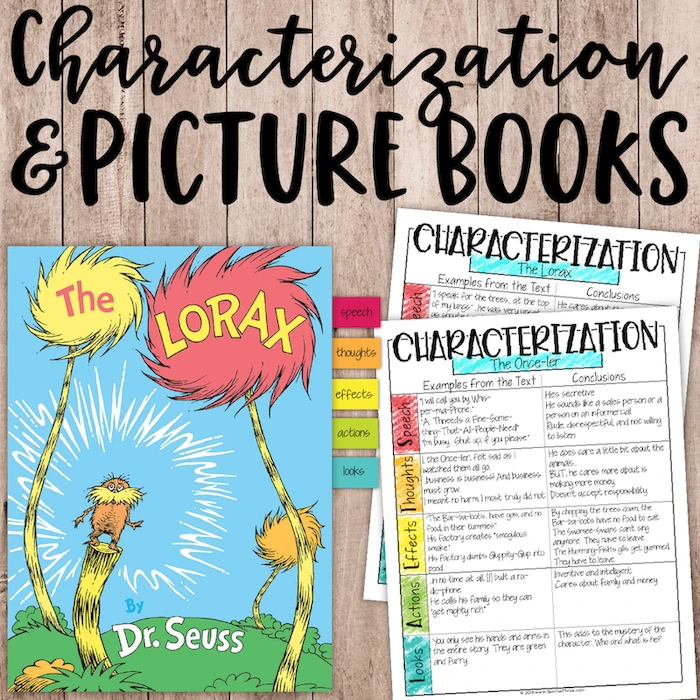
Picture books are one of the best mediums for introducing and teaching complex concepts, such as plot and characterization. Because they are concise and engaging, the present teachers with efficient opportunities for teaching. Teaching characterization using picture books illustrates this relationship perfectly. Before we can expect students to…
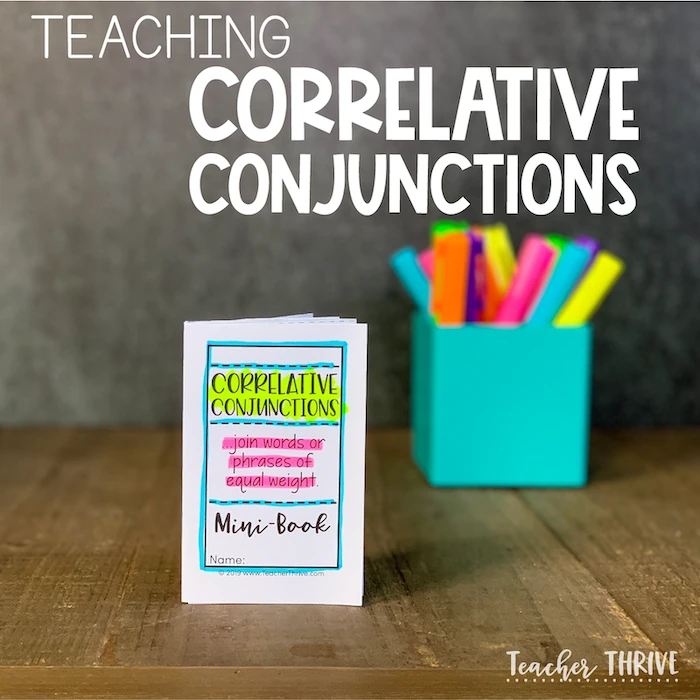
For your students to become more sophisticated writers, teaching correlative conjunctions is a must. Correlative conjunctions will allow your students to vary sentence structures and communicate specific relationships in their writing. Unlike subordinating or coordinating conjunctions, correlative conjunctions work in pairs. There are several correlative conjunctions, but these…
Literature circles are one of the best ways to engage readers and activate critical thinking. In literature circles (sometimes referred to as “book clubs”), small groups of students meet to discuss a piece of literature circle in depth. These meetings are student-led; the teacher is simply a facilitator,…
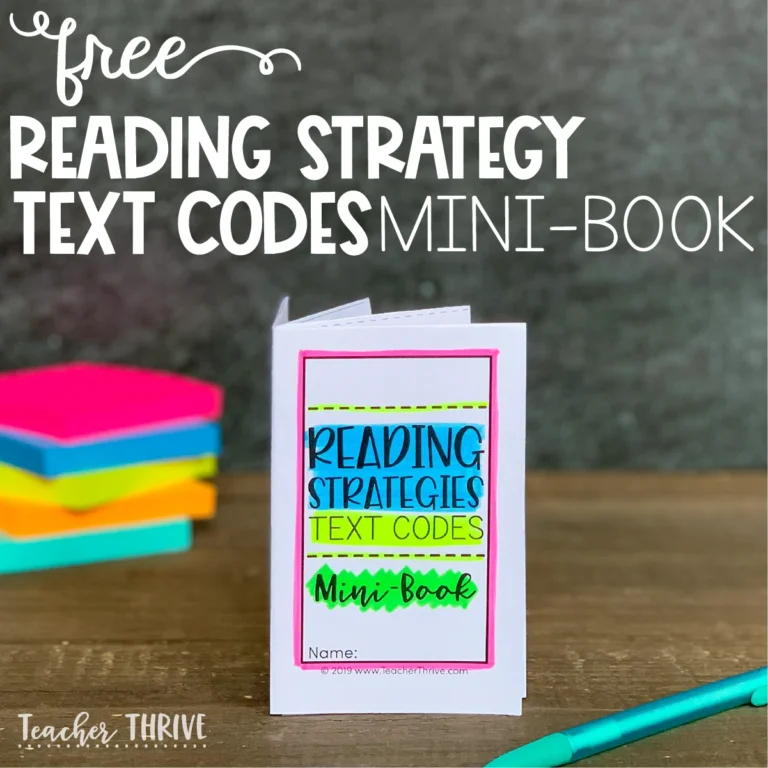
We must explicitly teach students how to use reading strategies to construct meaning when they read. The six strategies outlined below cover all aspects and subskills of reading. These reading strategies do not function in isolation; they work synergistically to help students fully access the text. Strategy:…
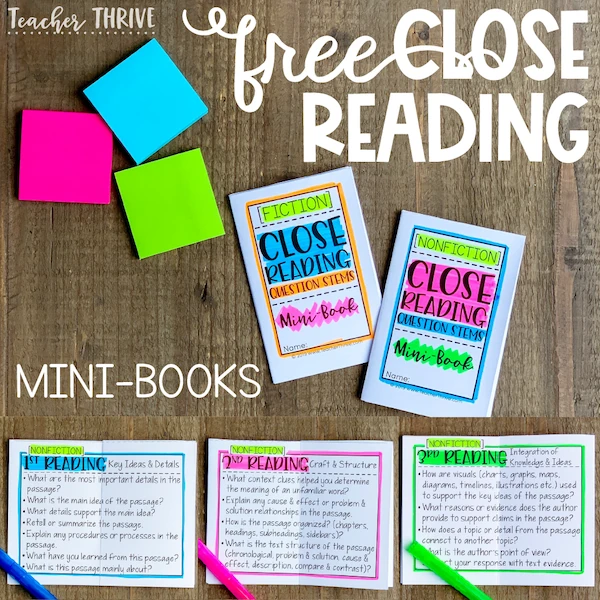
Close reading is a thoughtful and critical analysis of a text. It focuses on significant details or patterns to develop a deep, precise understanding of the text’s structure and meaning. During close reading, students read and reread short passages, articles, and excerpts while responding to text-dependent questions. Choosing…