Teaching nonfiction text structures is crucial for developing students’ reading comprehension and analytical skills. Understanding the various organizational patterns in nonfiction texts empowers students to navigate information more effectively and critically evaluate content. As an educator, you play a pivotal role in equipping your students with the tools…
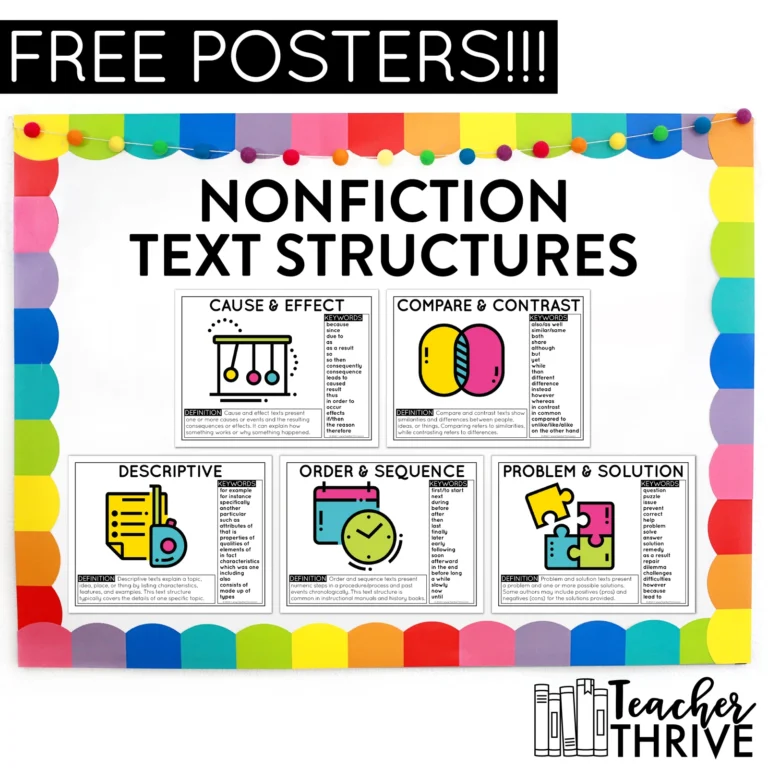
Nonfiction text structures refer to how authors organize and present information in their writing. Understanding these structures can help students develop critical thinking skills, improve reading comprehension, and become better writers. This blog post will discuss the five types of nonfiction text structures. Teaching students to recognize the…
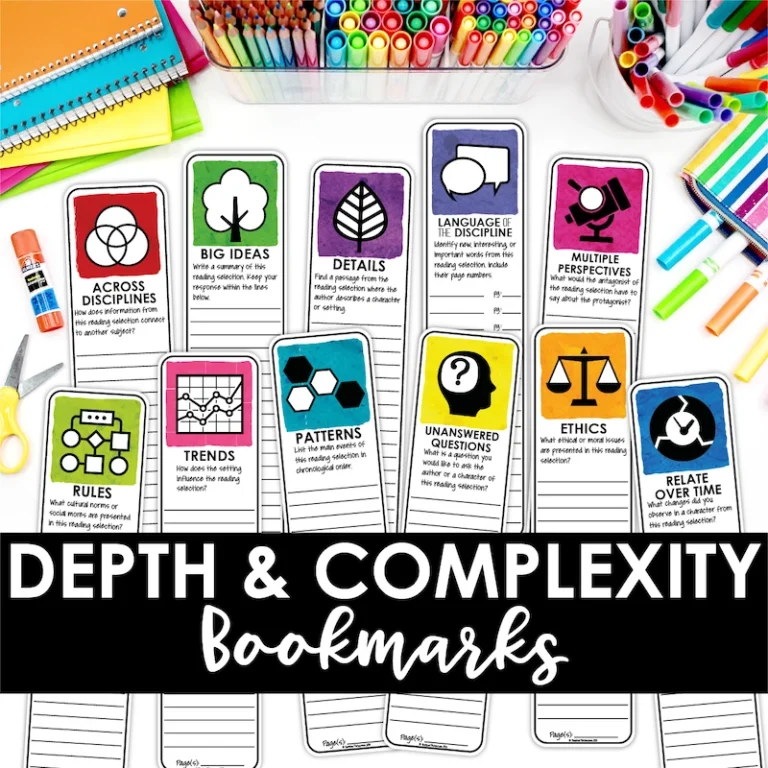
As teachers, one of our most important goals is to teach our students to think critically. This life-long skill really transcends all programs, standards, and curriculums. If we can teach students to think critically, success will follow. It sounds so simple, yet we know it can be a daunting task. One of…
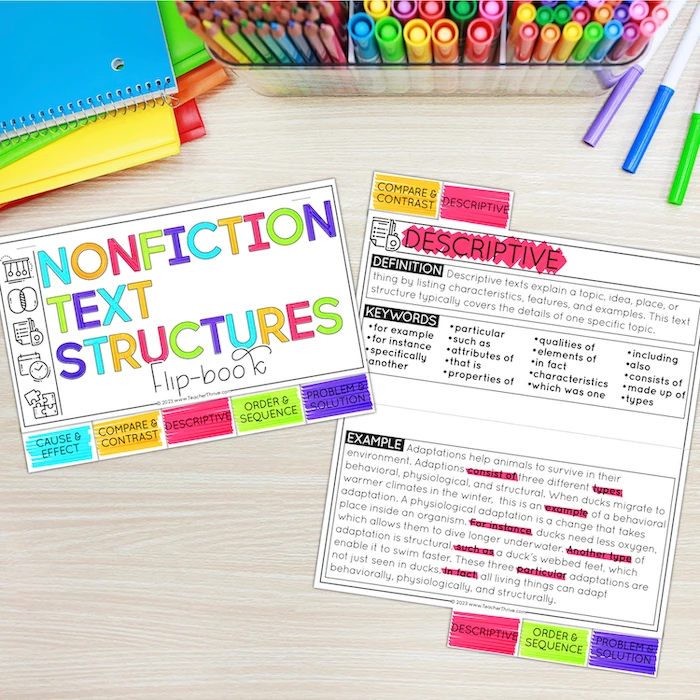
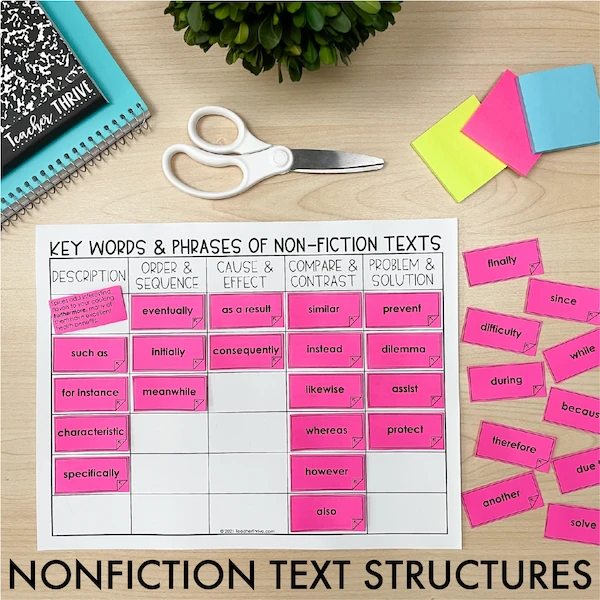
When teaching nonfiction text structures, it can be really helpful to spend some time focusing on the key words and phrases that are specific to each text structure. Our students love to find patterns and rules in life, and they quickly notice when specific words or phrases particularly…
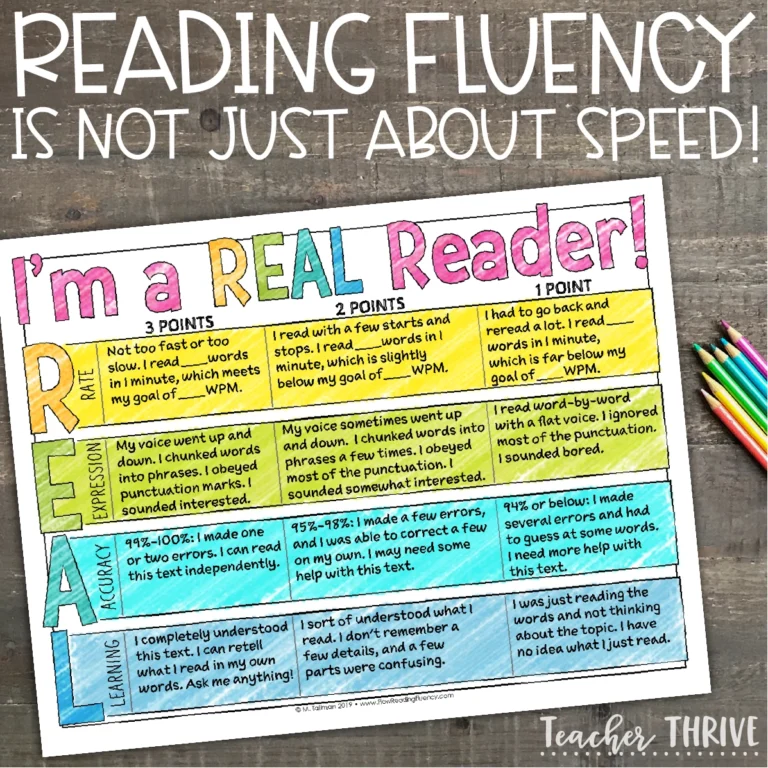
Reading fluency brings together accurate word reading, an appropriate pace, and meaningful expression. The goal is understanding: fast reading alone does not show whether a student understands a passage. This guide explains accuracy, rate, prosody (expression), and comprehension, and includes a student rubric for reflecting on each. Timed readings…
Reading fluency is important because it is one of the most reliable determiners of a student’s ability to comprehend text. In fact, reading fluency has been called the bridge between decoding and comprehension (Chard & Pikulski 2005). If you’re neglecting to incorporate meaning fluency instruction within your reading…