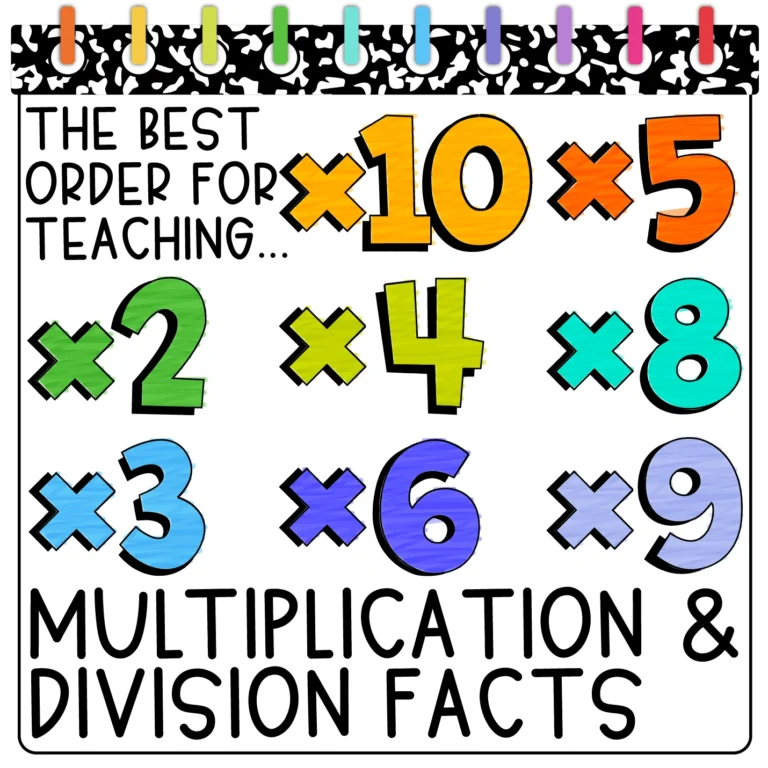
Multiplication facts are the building blocks of higher-level math. But rather than overwhelming students with all sixty‐four facts at once, a strategic sequence can scaffold understanding, reveal patterns, and build both confidence and fluency. Here’s why teaching facts in the order 10s, 5s, 2s, 4s, 8s, 3s, 6s,…
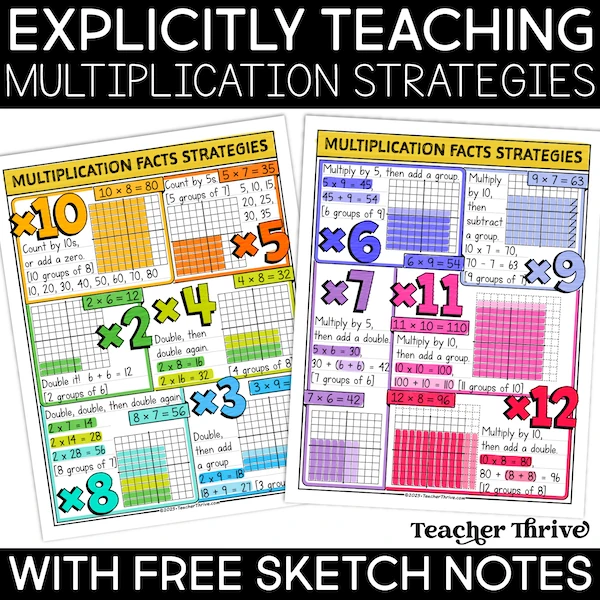
Understanding multiplication isn’t just about memorizing isolated facts; it’s about seeing relationships that unlock unknown products. By tapping into facts students have already mastered, we can help them tackle more challenging problems with confidence. This blog post outlines why and how to teach this strategy effectively. 1. Why…
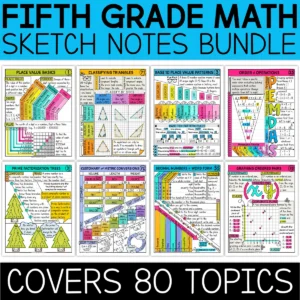
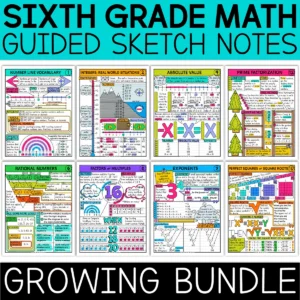
Guided note-taking is an instructional strategy where educators provide students with a structured framework or outline to follow while taking notes during a lesson or lecture (see an explicit example here). The goal is to guide students in capturing key concepts, important information, and relevant details in an…
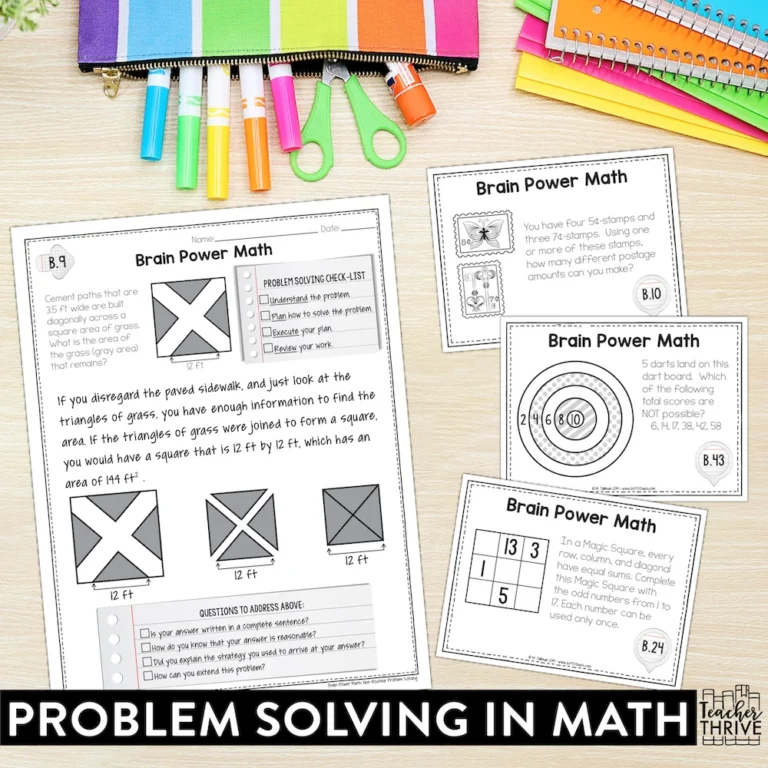
What is non-routine problem-solving? Also referred to as creative problem-solving, non-routine problem-solving requires some degree of creativity or originality. Non-routine problems typically do not have an immediately apparent strategy for solving them. Oftentimes, these problems can be solved in multiple ways and with a variety of strategies. Just like computational…
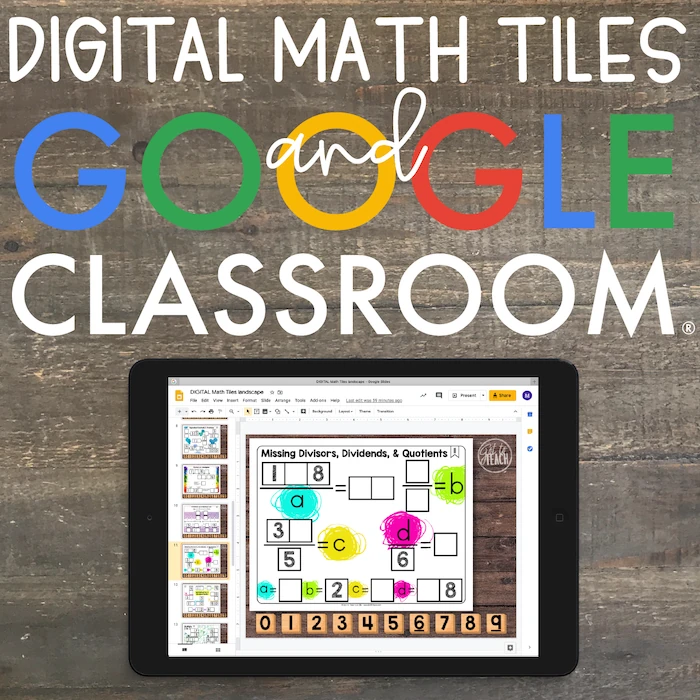
Digital math tiles are hands-on activities that take students’ thinking beyond procedures and rote memorization. These engaging resources activate critical thinking and problem-solving skills, all while building a true understanding of important math concepts (e.g., place value, fractions, math facts, area & perimeter, and so much more). If…
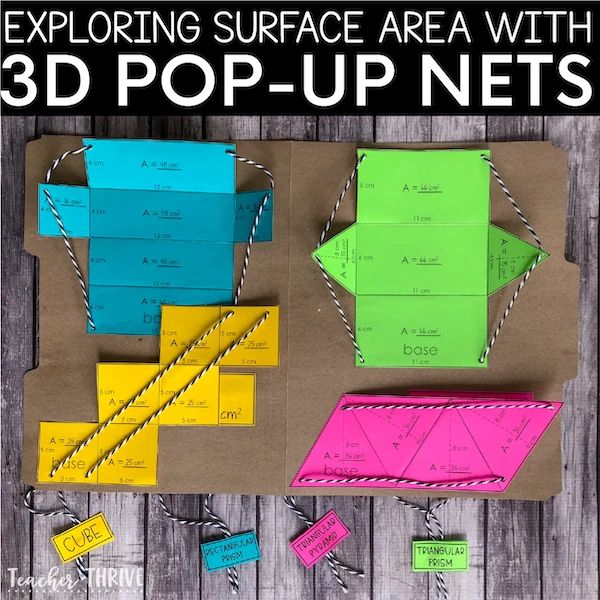
Teaching students how to find the surface area of 3D shapes can be tricky, especially when they are looking at a 2D diagram. Students are much better at visualizing 3D shapes when they have plenty of hands-on experience with them. This 3D Pop-up nets folder is the perfect…