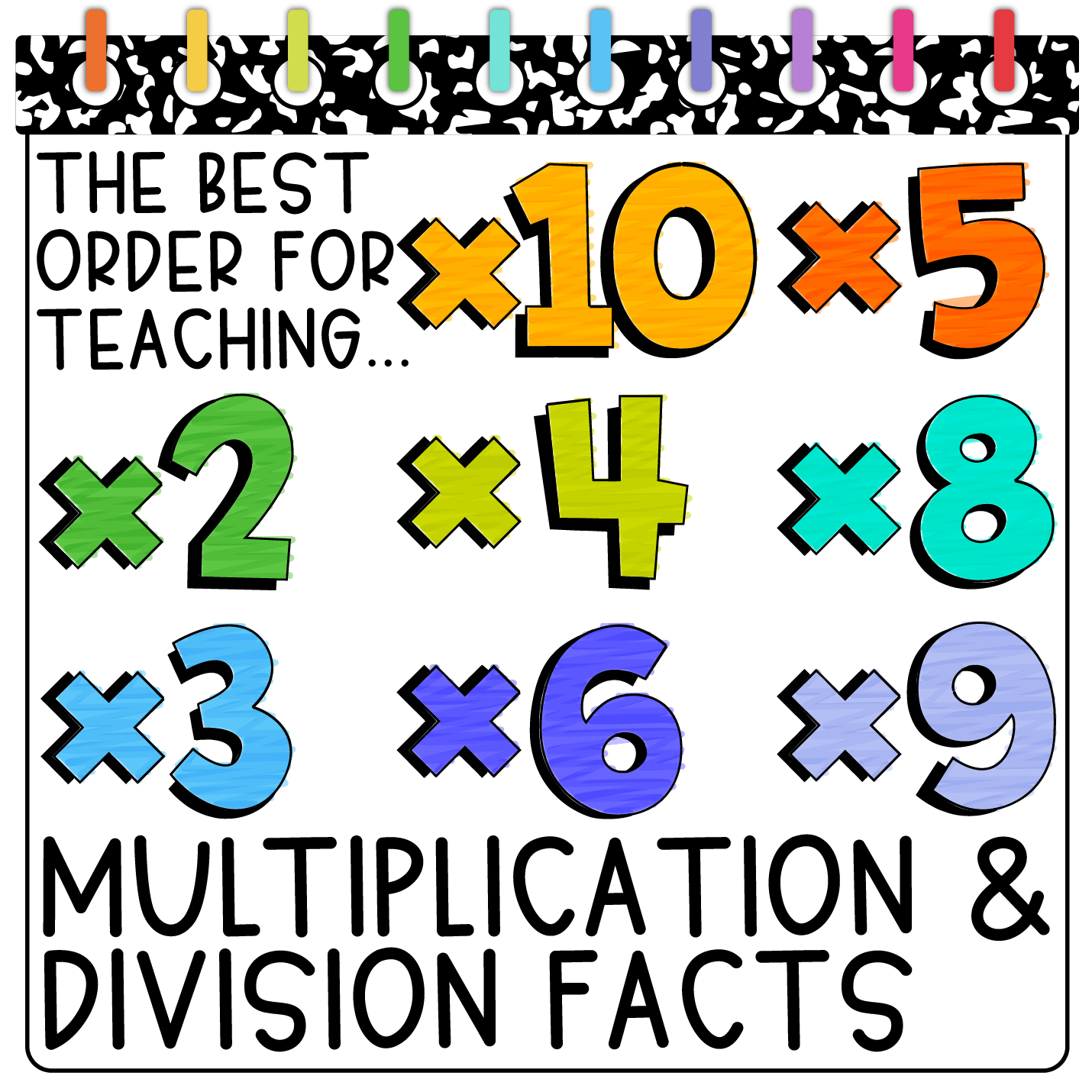
Multiplication facts are the building blocks of higher-level math. But rather than overwhelming students with all sixty‐four facts at once, a strategic sequence can scaffold understanding, reveal patterns, and build both confidence and fluency. Here’s why teaching facts in the order 10s, 5s, 2s, 4s, 8s, 3s, 6s, then 9s (and finally the lone 7×7) makes sense—and how you can bring this approach into your classroom.
Why Sequence Matters
- Chunking reduces cognitive load. Memorizing sixty-four fact pairs at once is daunting. Research shows that breaking large tasks into smaller “chunks” (5–7 items) dramatically improves retention.
- Early patterns build momentum. Starting with 10s (Step 1) and 5s (Step 2) leverages place-value patterns students already know—“add a zero,” or half of a ten—so they experience quick wins before tackling trickier facts.
- Reinforcing relational thinking. Teaching the related division facts immediately after each multiplication goal helps students see that multiplication and division are inverse operations, deepening number sense and reducing later misconceptions.
The Eight Steps at a Glance
- 10s: 10×2 through 10×10 (and corresponding ÷10 facts)
- 5s: 2×5 through 9×5
- 2s: 2×2 through 2×9
- 4s: 4×3 through 4×9
- 8s: 3×8 through 9×8
- 3s: 3×3, 3×6, 3×7, 3×9
- 6s: 6×6, 6×7, 6×9
- 9s & 7×7: Finally, the trickiest—7×7, 9×7, 9×9 .
After Steps 1–7, only 15 facts remain; tackling 9s and the single 7×7 at the end ensures students have a robust toolkit of part-whole strategies to apply.
Research-Based Best Practices
- Concrete → Representational → Abstract
- Start with manipulatives (e.g., ten-stacks, arrays), then move to diagrams (open number lines, area models), and finally to symbolic practice. This gradual shift locks concepts into long-term memory.
- No Timed Tests During Learning
- Timed drills often foster counting rather than deep recall. Instead, use one-on-one “interviews” or formative games to assess fluency without stress.
- Daily, Short Practice
- Five to ten minutes of focused mini-lessons and games each day keeps facts fresh without overload.
- Immediate Feedback
- Quick correction (within seconds) prevents errors from “sticking,” and peer sharing of strategies promotes metacognition.
Implementation Tips
- Assess as You Go. Use quick one-on-one checks: “How did you get 7×8 = 56?” If a student counts (“8, 16, 24…”), reteach the part-whole shortcut instead.
- Celebrate Milestones. Mark each goal’s completion with a class chart or certificate—momentum matters!
- Home-School Connection. Send home goal-specific flashcards and simple games families can play in five-minute bursts.
Conclusion
A well-structured sequence transforms multiplication from a rote slog into a clear progression of patterns and strategies. By starting with easy wins, reinforcing connections between operations, and following research-based practices, you’ll set every learner on a path to confident, automatic recall—paving the way for success in all future math.
Everything You Need To Teach Multiplication Facts!
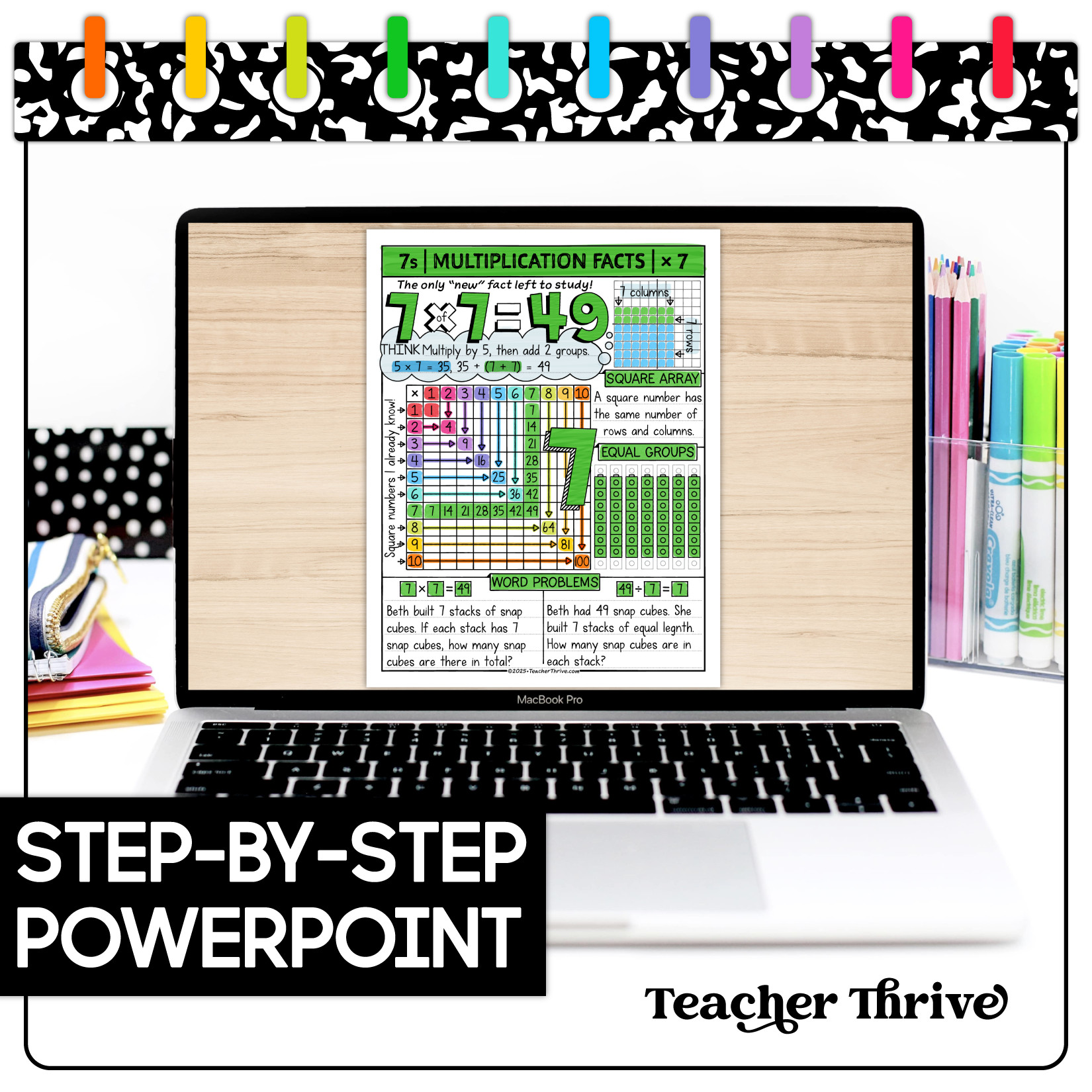
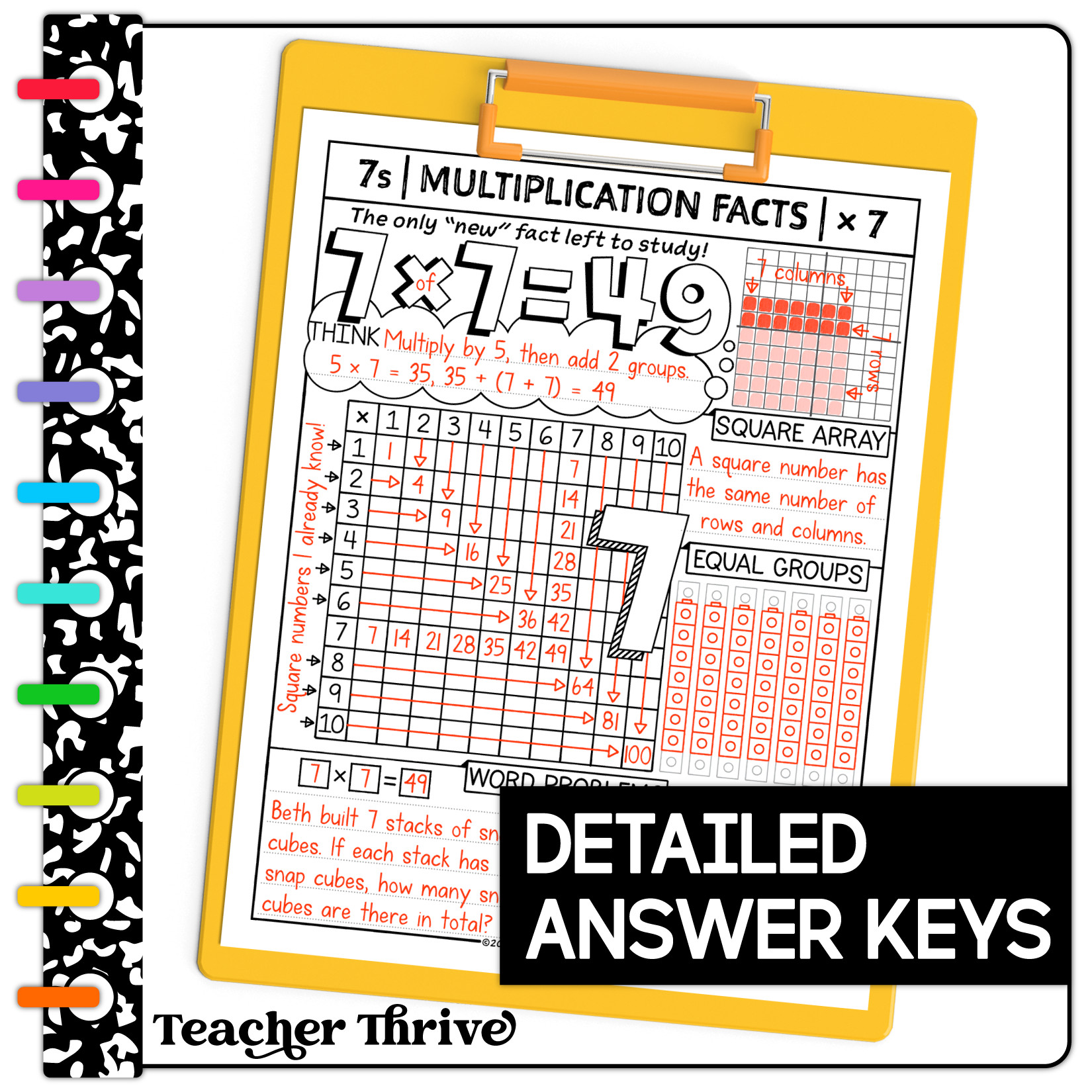
This resource takes the guesswork out of teaching multiplication facts, providing a clear, step-by-step approach that aligns seamlessly with the outlined instructional sequence.