Sketch notes combine words and simple drawings to capture ideas and show how concepts connect. Students use doodles to communicate meaning rather than create polished artwork. This guide explains the approach and shares classroom resources for getting started. 1. Engages the Whole Brain: According to Allan Piavio, verbal information…
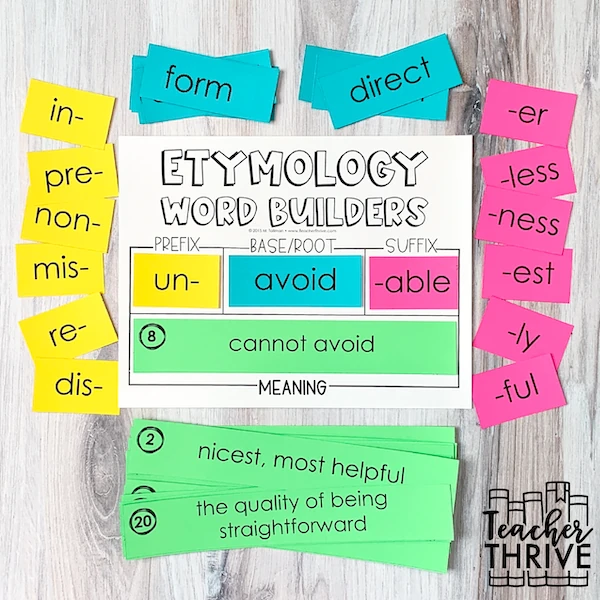
As many of you already know, I am a bit of a “word nerd.” I have always been fascinated with etymology and love sharing this interest with students. Teaching morphemes (especially prefixes, Greek and Latin roots, and suffixes) is one of the most impactful things we can…
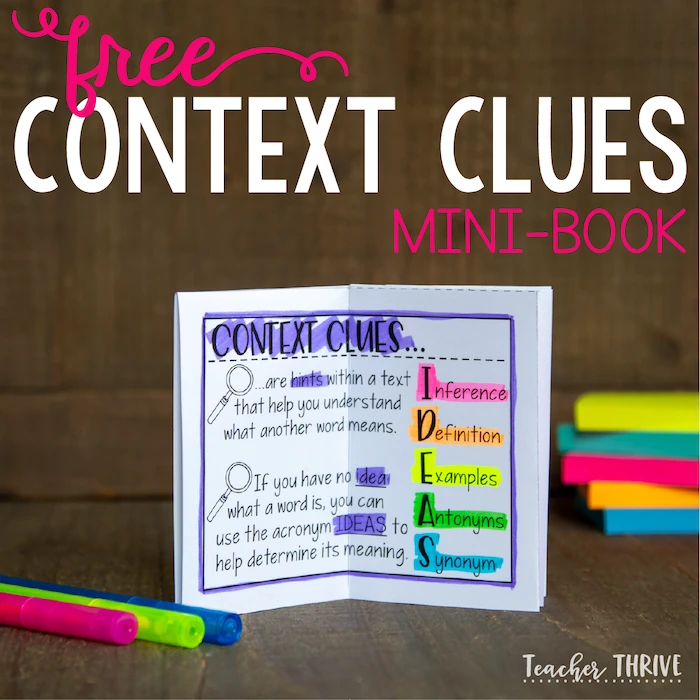
Beginning in the second grade, most content standards require that students be able to utilize context clues to determine the meaning of unfamiliar words and phrases. These skills is also important for close reading. To help your students to acquire these skills, teach your students the specific types…
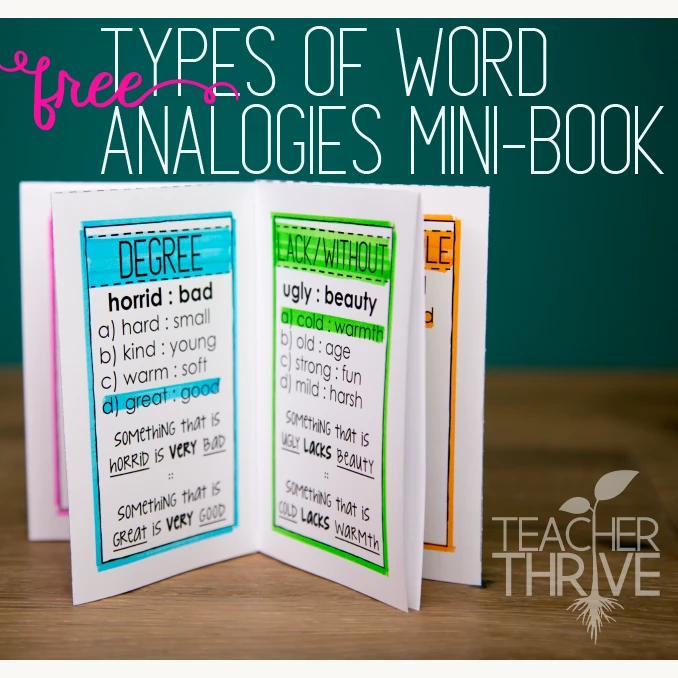
When it comes to vocabulary, word analogies are vocabulary gold! These “little” word puzzles present learning opportunities that go beyond other types of word work. Word analogies are not only effective at building vocabulary, they also develop critical thinking skills. Unlike vocabulary activities that require students to memorize…
Using word analogies with your students is one of the most effective ways build vocabulary and critical thinking skills. Analogies force students to examine the relationships between words, and in doing so, they gain a better understanding of the subtle nuances of word meanings. Because of their great…
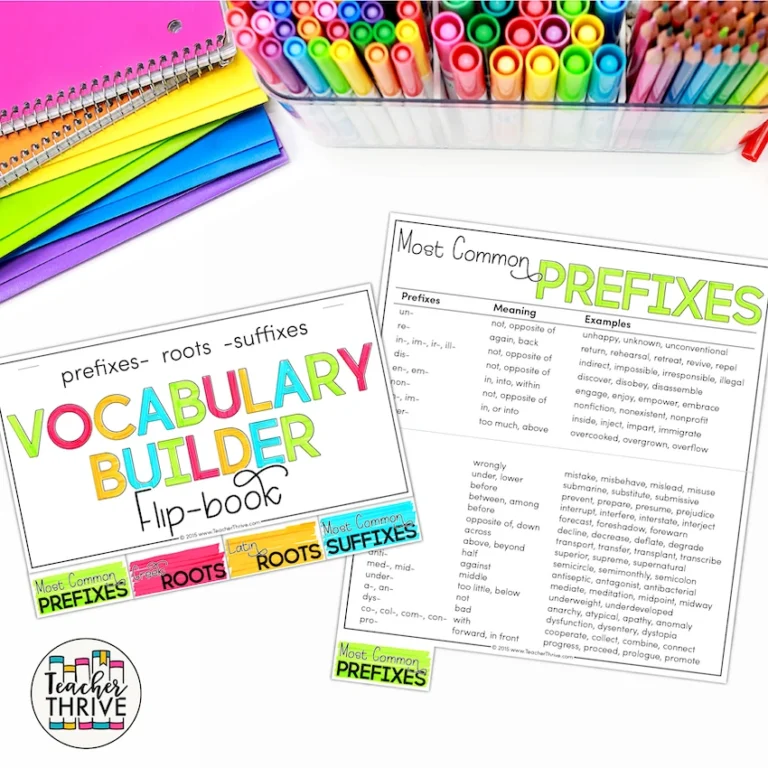
You are going to LOVE this little vocabulary gem, and I am so excited to share it with you! It’s a Vocabulary Builder Flip-book containing the most common prefixes, Greek and Latin roots, and suffixes! There is also room for your students to add their own affixes and…