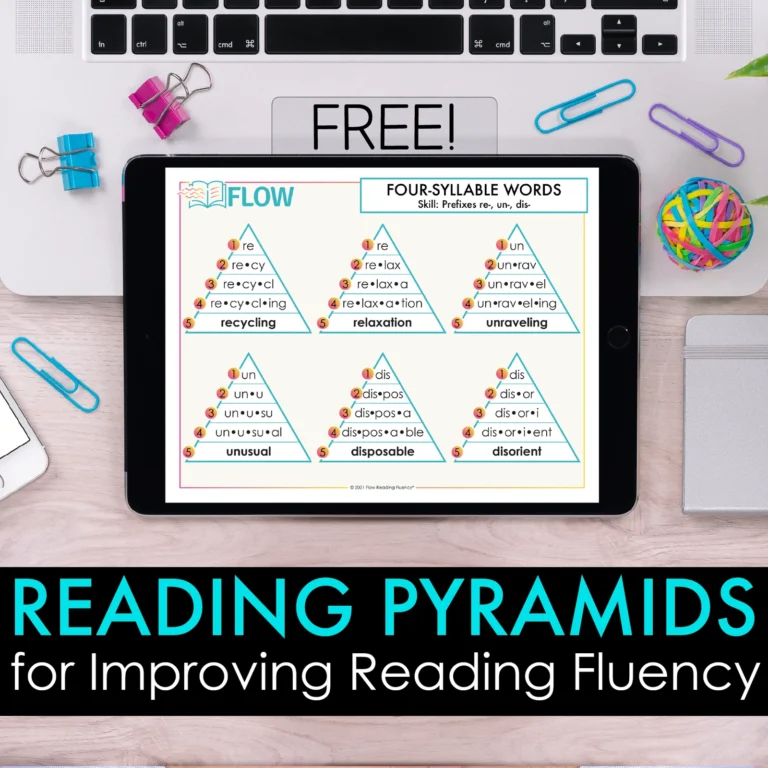
Reading Pyramids are powerful teaching tools that have so many uses! This blog post provides a basic outline of what they are. However, watch the video below for a detailed explanation of how to use these. I created a FREE digital and printable template for you; simply enter…
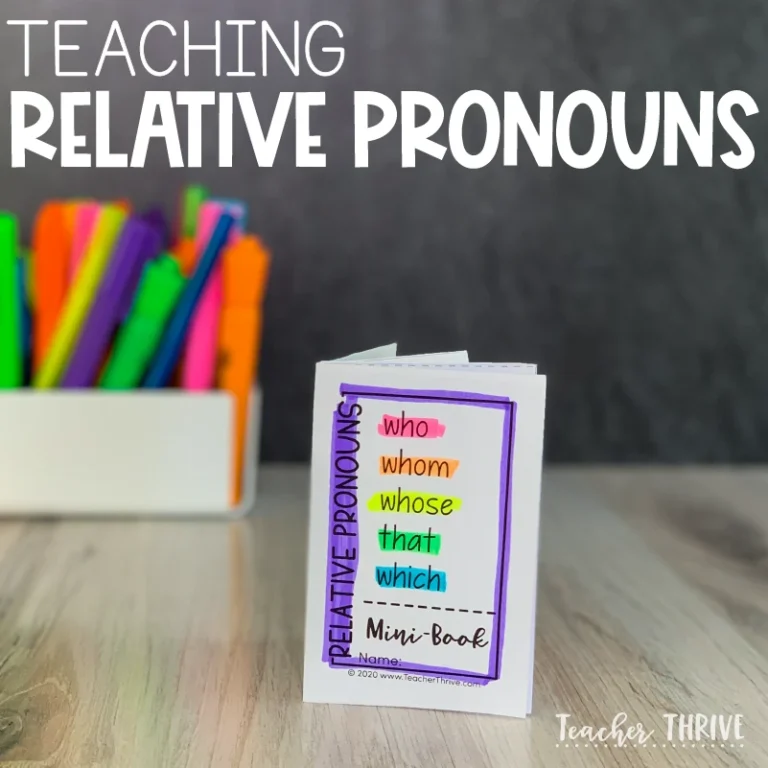
Ahh, relative pronouns: who, whom, whose, that, and which. Not the most complex grammar topic to tackle, yet we see so many of our students misuse these (especially whom, that, and which). Luckily, these errors are rather easy to correct, and this blog post will have everything you…
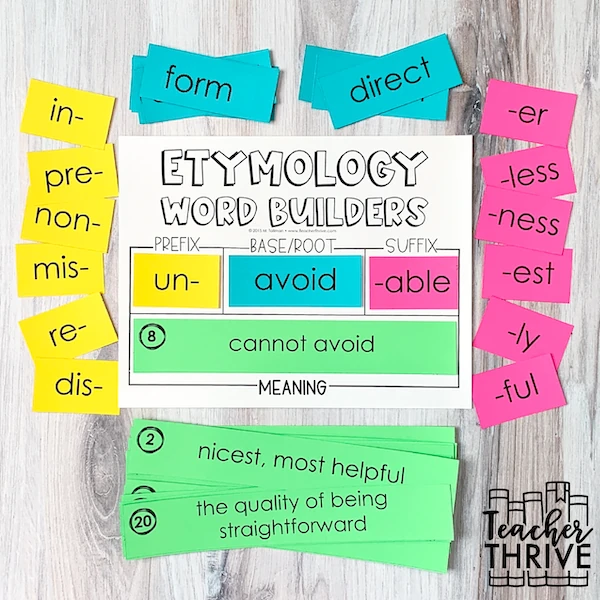
As many of you already know, I am a bit of a “word nerd.” I have always been fascinated with etymology and love sharing this interest with students. Teaching morphemes (especially prefixes, Greek and Latin roots, and suffixes) is one of the most impactful things we can…
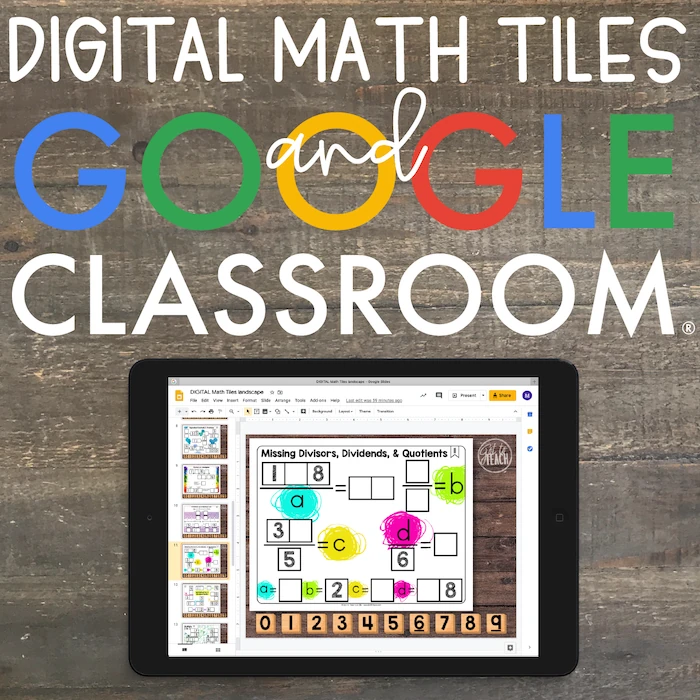
Digital math tiles are hands-on activities that take students’ thinking beyond procedures and rote memorization. These engaging resources activate critical thinking and problem-solving skills, all while building a true understanding of important math concepts (e.g., place value, fractions, math facts, area & perimeter, and so much more). If…
It’s time to get serious about sleep. You’re a teacher, and the reality is, teaching can be stressful and draining. No matter how much you love your job, teaching is not easy. However, there is something that you can do that would not only make teaching easier but…
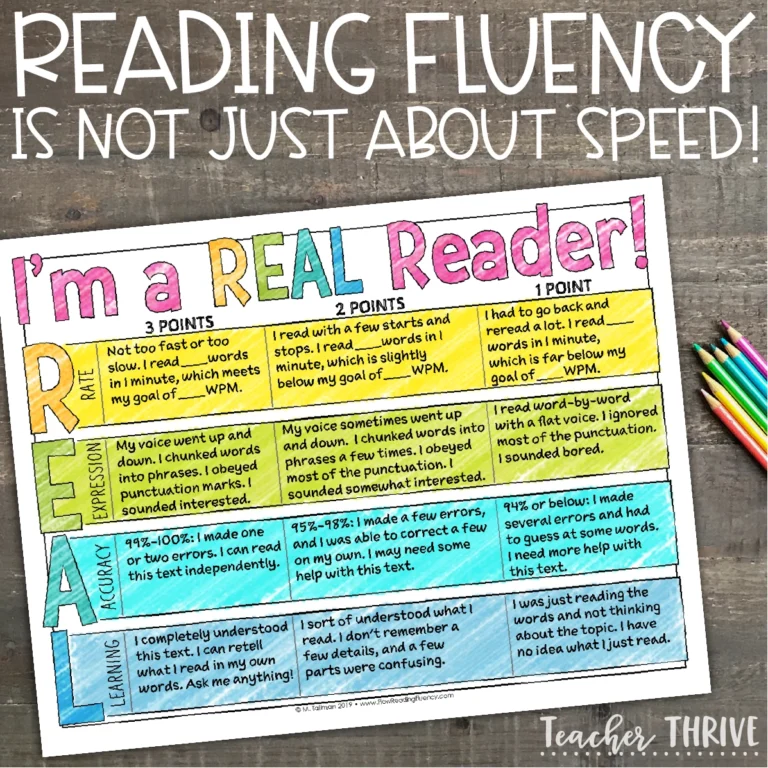
Reading fluency brings together accurate word reading, an appropriate pace, and meaningful expression. The goal is understanding: fast reading alone does not show whether a student understands a passage. This guide explains accuracy, rate, prosody (expression), and comprehension, and includes a student rubric for reflecting on each. Timed readings…