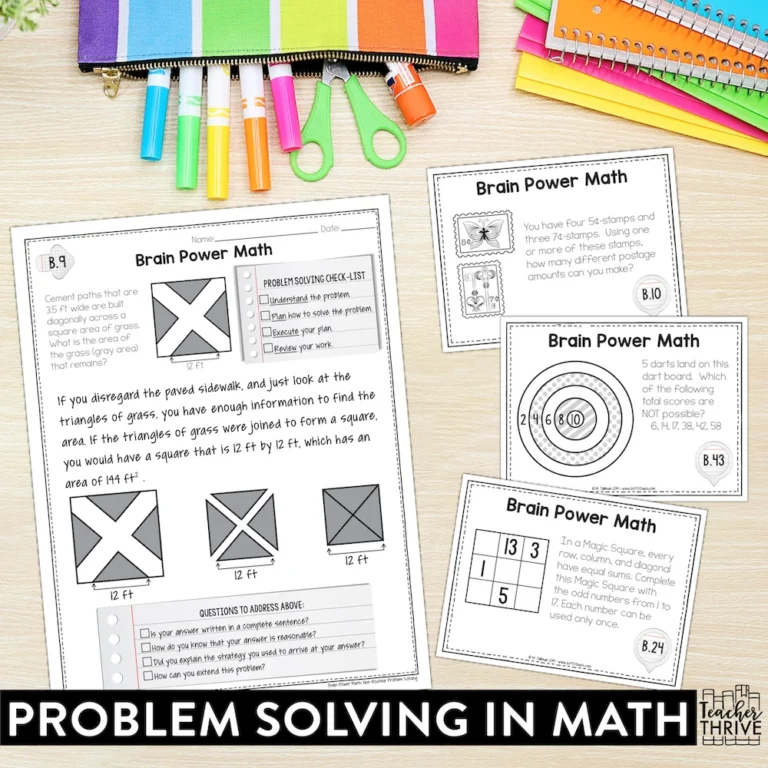
What is non-routine problem-solving? Also referred to as creative problem-solving, non-routine problem-solving requires some degree of creativity or originality. Non-routine problems typically do not have an immediately apparent strategy for solving them. Oftentimes, these problems can be solved in multiple ways and with a variety of strategies. Just like computational…
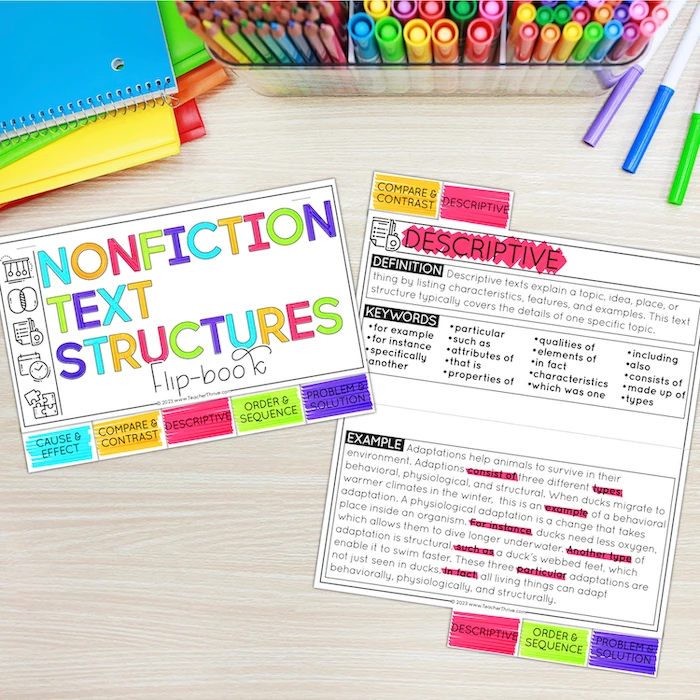
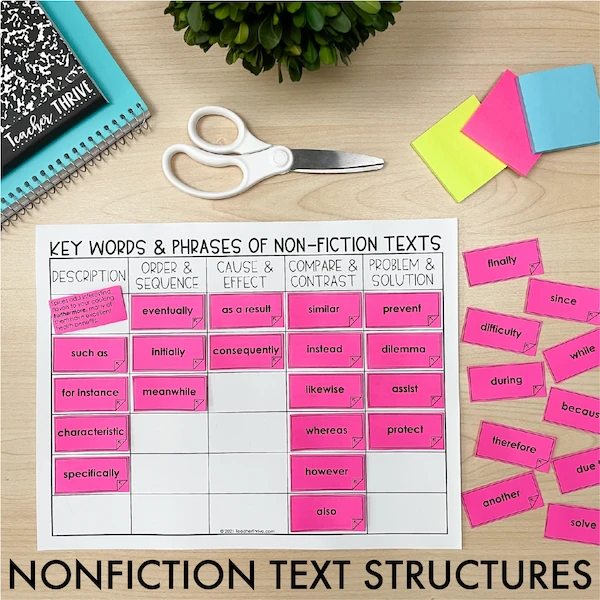
Nonfiction text structures refer to how authors organize and present information in their writing. Understanding these structures can help students develop critical thinking skills, improve reading comprehension, and become better writers. This blog post will discuss the five types of nonfiction text structures. Teaching students to recognize the…
Sketch notes combine words and simple drawings to capture ideas and show how concepts connect. Students use doodles to communicate meaning rather than create polished artwork. This guide explains the approach and shares classroom resources for getting started. 1. Engages the Whole Brain: According to Allan Piavio, verbal information…
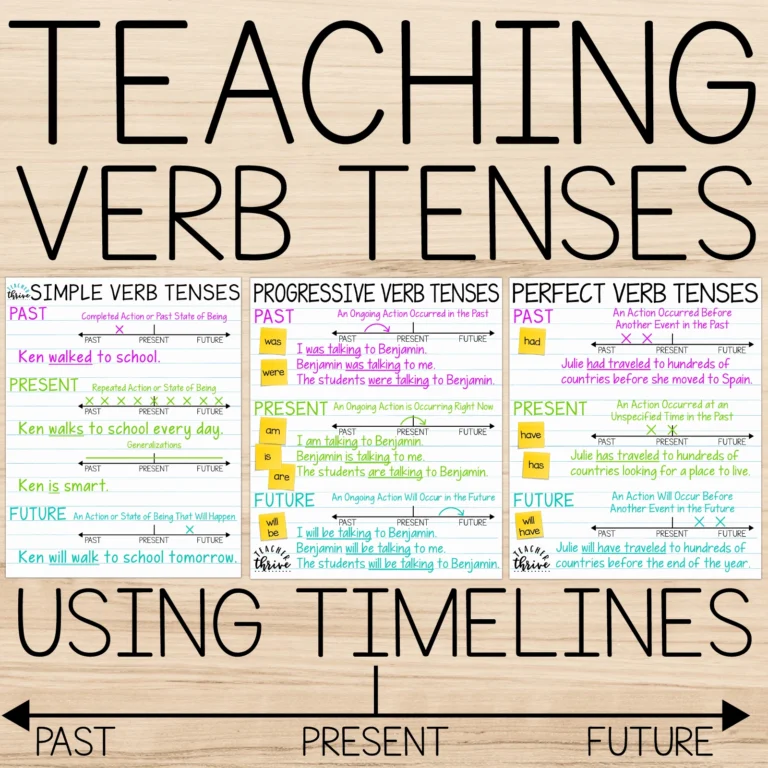
When students (especially English Language Learners) move beyond the simple verb tenses, confusion can begin to set in. Using timelines helps students visualize and conceptualized the appropriate context for each verb aspect. The following anchor charts are perfect for illustrating each verb tense. Simple Verb Tenses This verb…
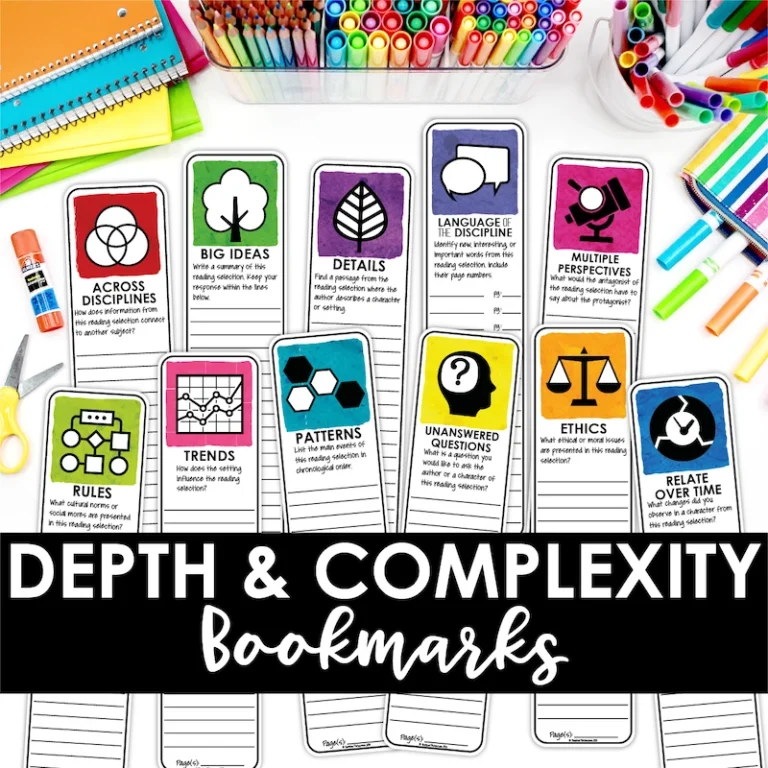
As teachers, one of our most important goals is to teach our students to think critically. This life-long skill really transcends all programs, standards, and curriculums. If we can teach students to think critically, success will follow. It sounds so simple, yet we know it can be a daunting task. One of…
When teaching nonfiction text structures, it can be really helpful to spend some time focusing on the key words and phrases that are specific to each text structure. Our students love to find patterns and rules in life, and they quickly notice when specific words or phrases particularly…