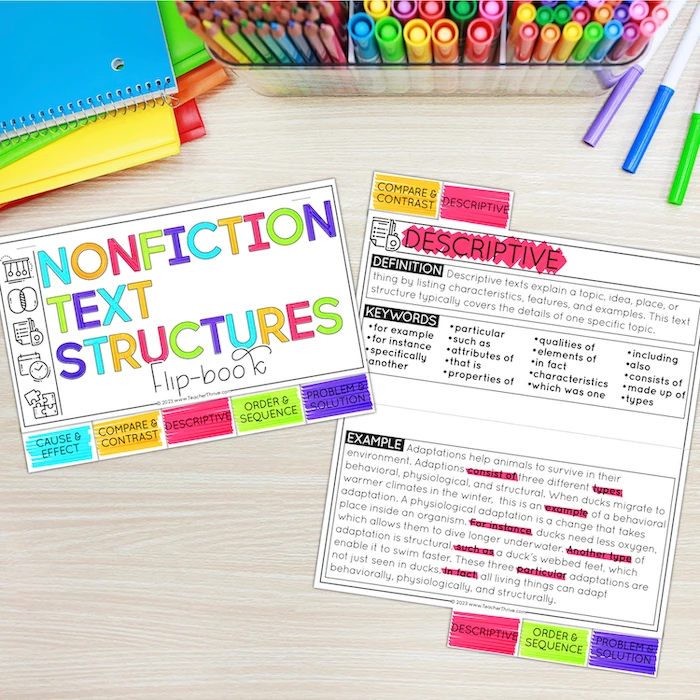
Nonfiction text structures refer to how authors organize and present information in their writing. Understanding these structures can help students develop critical thinking skills, improve reading comprehension, and become better writers. This blog post will discuss the five types of nonfiction text structures. Teaching students to recognize the…
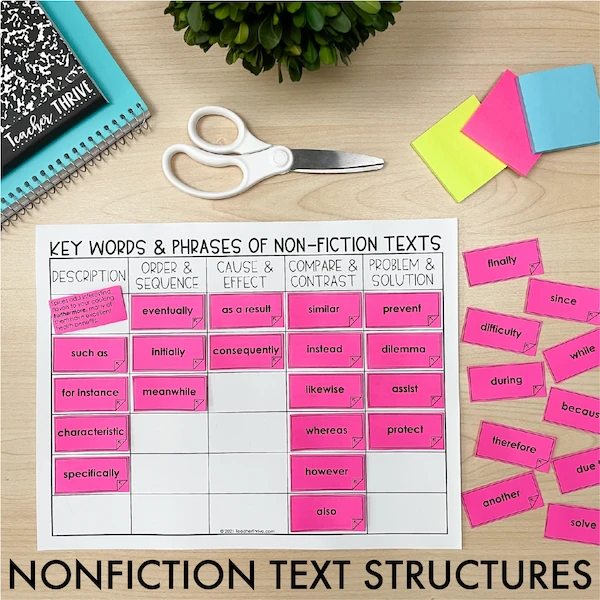
When teaching nonfiction text structures, it can be really helpful to spend some time focusing on the key words and phrases that are specific to each text structure. Our students love to find patterns and rules in life, and they quickly notice when specific words or phrases particularly…
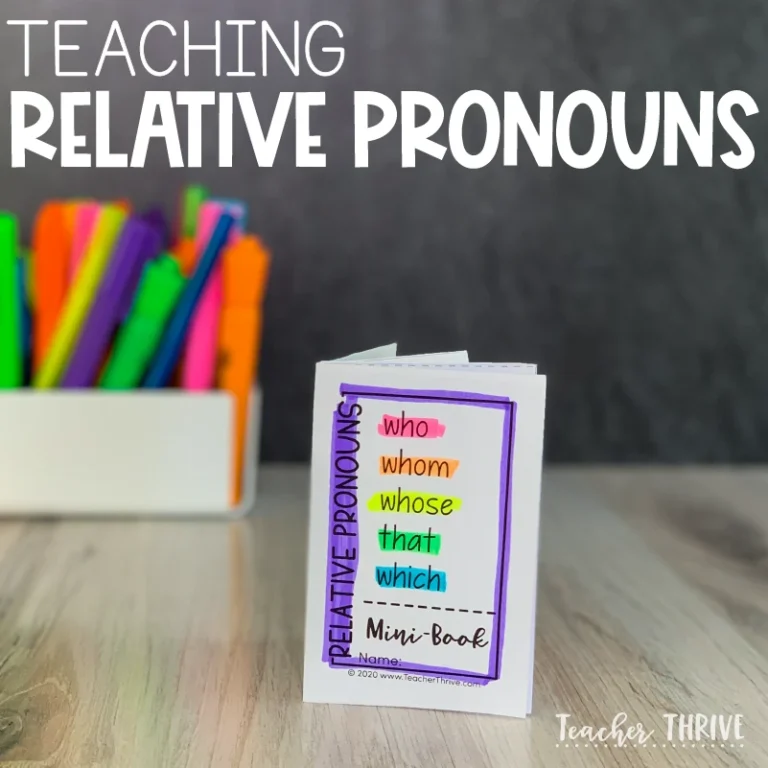
Ahh, relative pronouns: who, whom, whose, that, and which. Not the most complex grammar topic to tackle, yet we see so many of our students misuse these (especially whom, that, and which). Luckily, these errors are rather easy to correct, and this blog post will have everything you…
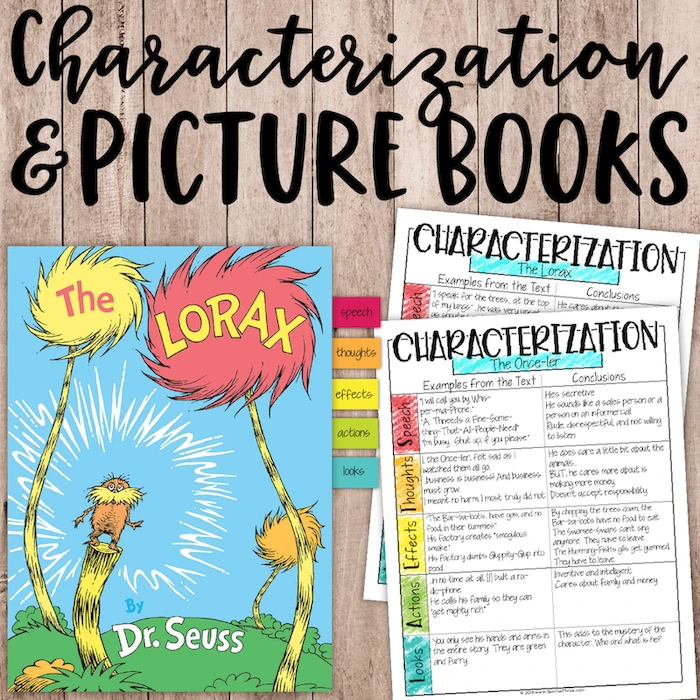
Picture books are one of the best mediums for introducing and teaching complex concepts, such as plot and characterization. Because they are concise and engaging, the present teachers with efficient opportunities for teaching. Teaching characterization using picture books illustrates this relationship perfectly. Before we can expect students to…
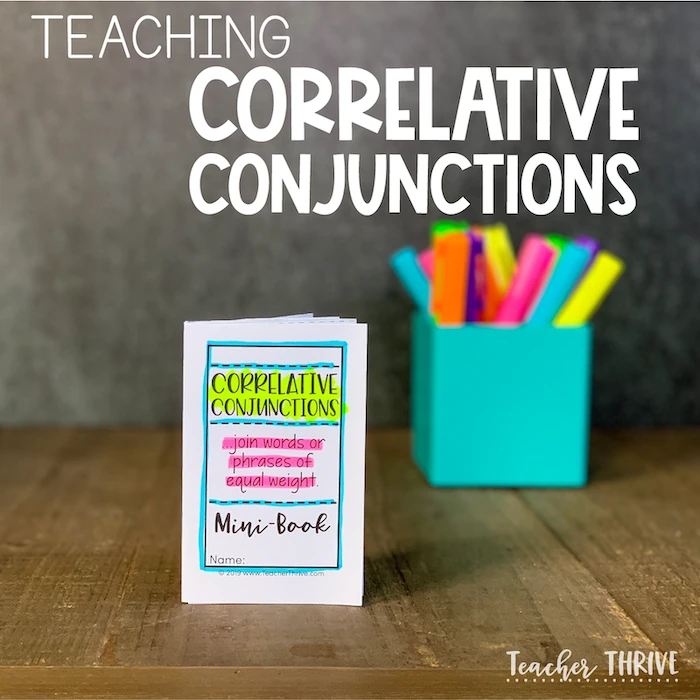
For your students to become more sophisticated writers, teaching correlative conjunctions is a must. Correlative conjunctions will allow your students to vary sentence structures and communicate specific relationships in their writing. Unlike subordinating or coordinating conjunctions, correlative conjunctions work in pairs. There are several correlative conjunctions, but these…
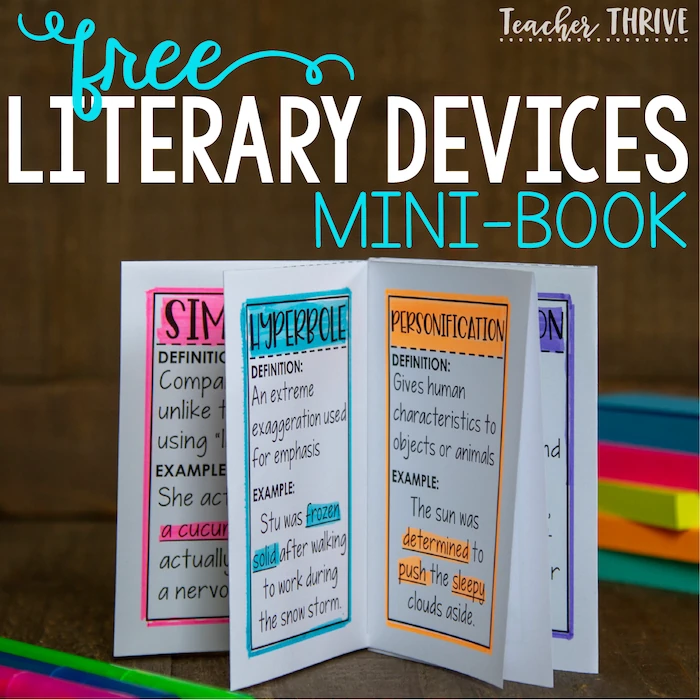
Teaching our students how to recognize and interpret literary devices (similes, metaphors, hyperbole, personification, onomatopoeia, alliteration, and imagery) not only helps them comprehend texts, but it also improves their writing. The aforementioned literary devices are some fundamental literary devices and are a great place to start teaching. Here…