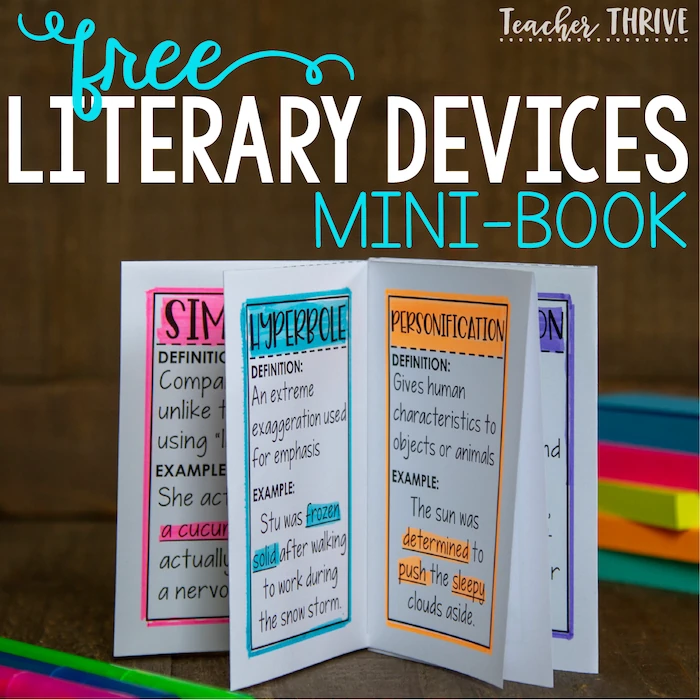
Teaching our students how to recognize and interpret literary devices (similes, metaphors, hyperbole, personification, onomatopoeia, alliteration, and imagery) not only helps them comprehend texts, but it also improves their writing. The aforementioned literary devices are some fundamental literary devices and are a great place to start teaching. Here…
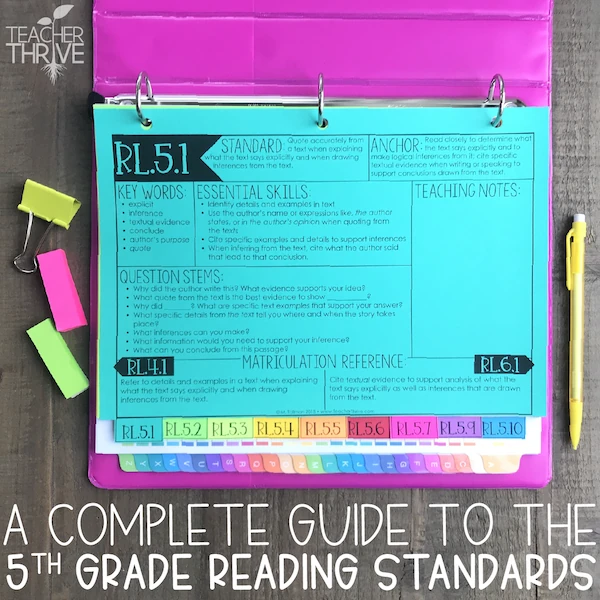
Here they are–the fifth grade reading standards! I created this handy guide to all of the standards for both fiction and nonfiction text. Each page of this guide includes the following components to help you understand and navigate the standards like a pro. The Fifth Grade Reading Standard: The…
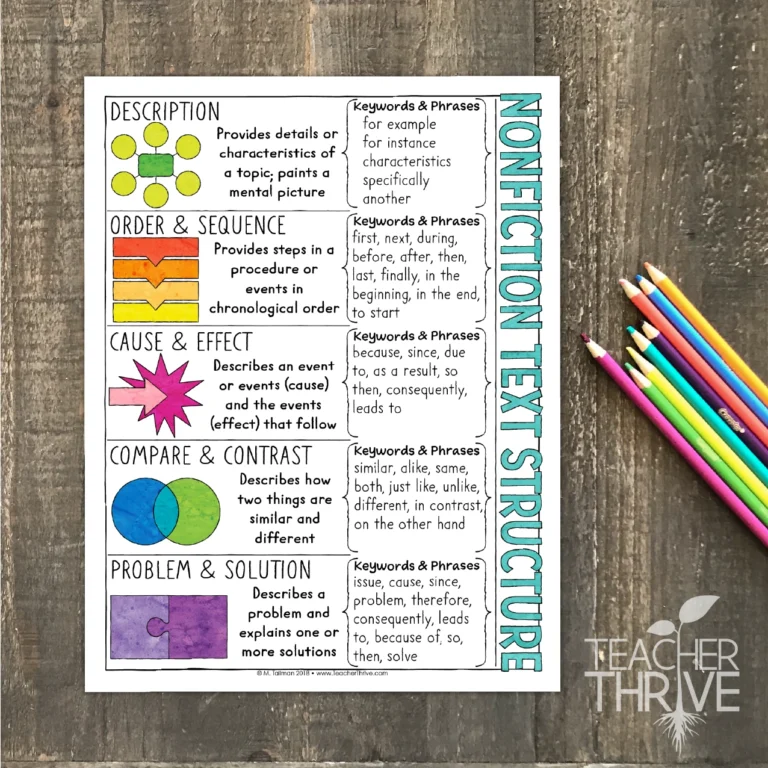
Nonfiction text structure is the way an author organizes information. Five common structures are description, order and sequence, cause and effect, compare and contrast, and problem and solution. This guide explains each structure, lists signal words, and includes free sketch notes and a mini-poster you can request by…
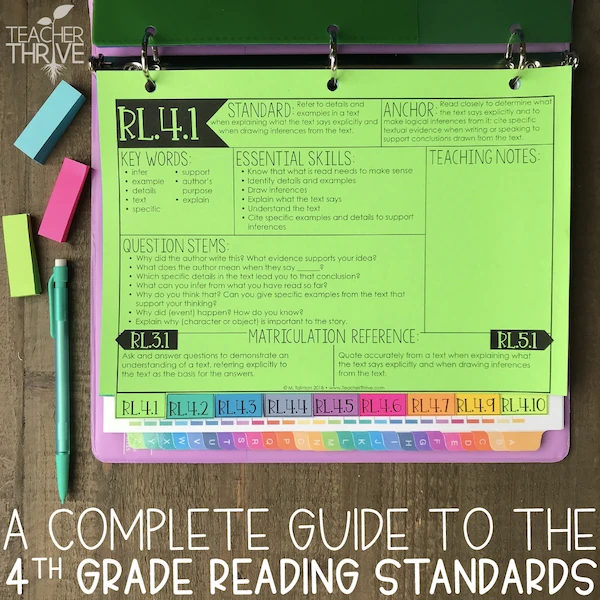
If you’re a bit overwhelmed by the fourth grade reading standards, not to worry! I created this handy guide to all of the standards for both fiction and nonfiction text. Each page of this guide includes the following components to help you understand the standards better. The Fourth Grade Reading…
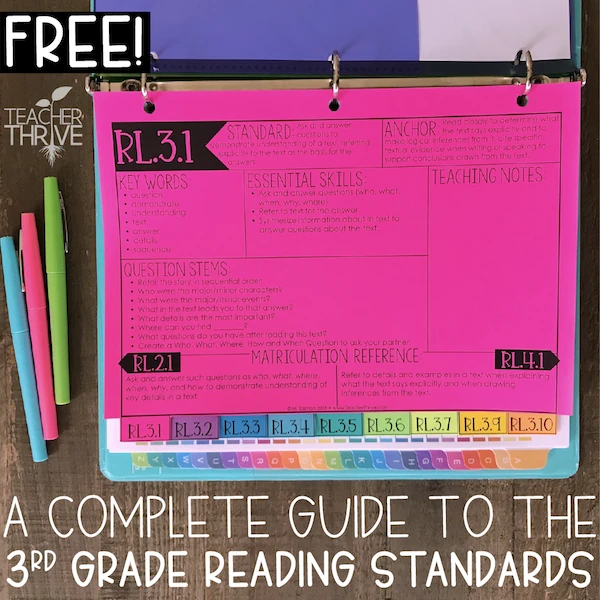
Even for veteran teachers, staying on top of the all the third grade reading standards can be a daunting task. That is why I created this handy guide to all of the standards for both fiction and nonfiction text. Each page of this guide includes the following components to…
Do you struggle with independent reading in your classroom? During my first few years of teaching, I was really conflicted about ways to encourage all of my students to read independently. My school had spent a lot of money on a computer-based reading quiz program and intrinsic motivators.…