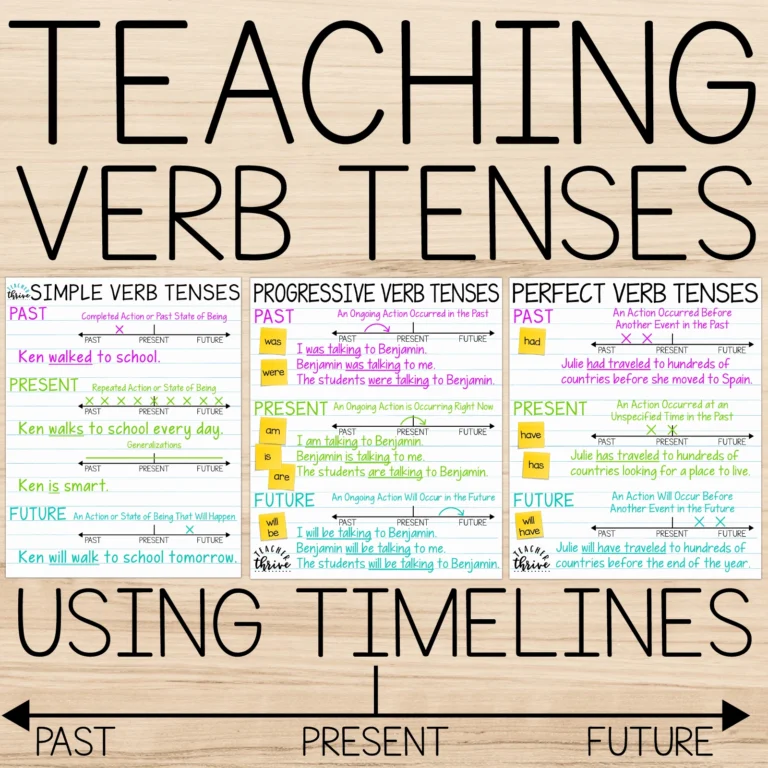
When students (especially English Language Learners) move beyond the simple verb tenses, confusion can begin to set in. Using timelines helps students visualize and conceptualized the appropriate context for each verb aspect. The following anchor charts are perfect for illustrating each verb tense. Simple Verb Tenses This verb…
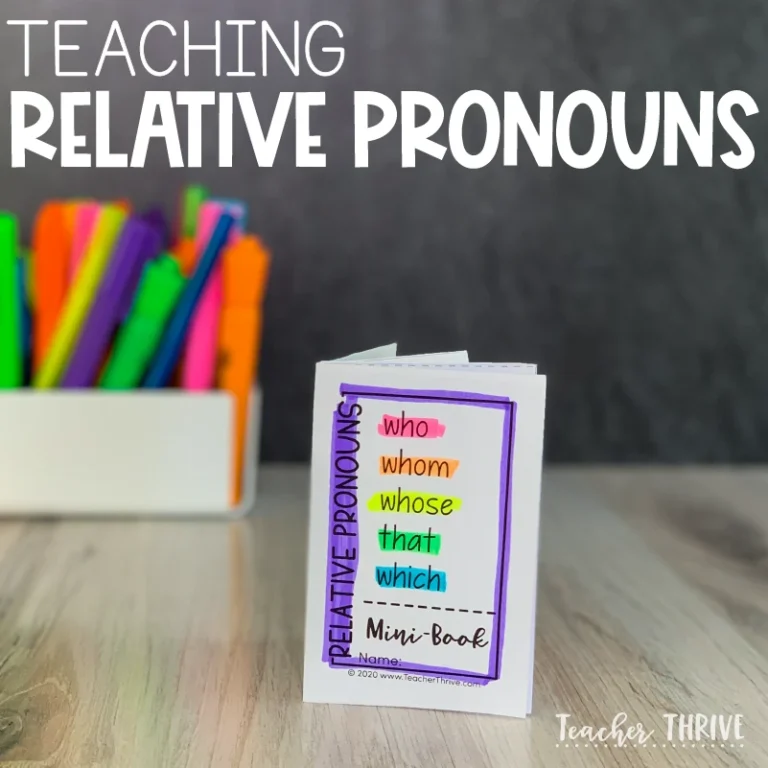
Ahh, relative pronouns: who, whom, whose, that, and which. Not the most complex grammar topic to tackle, yet we see so many of our students misuse these (especially whom, that, and which). Luckily, these errors are rather easy to correct, and this blog post will have everything you…
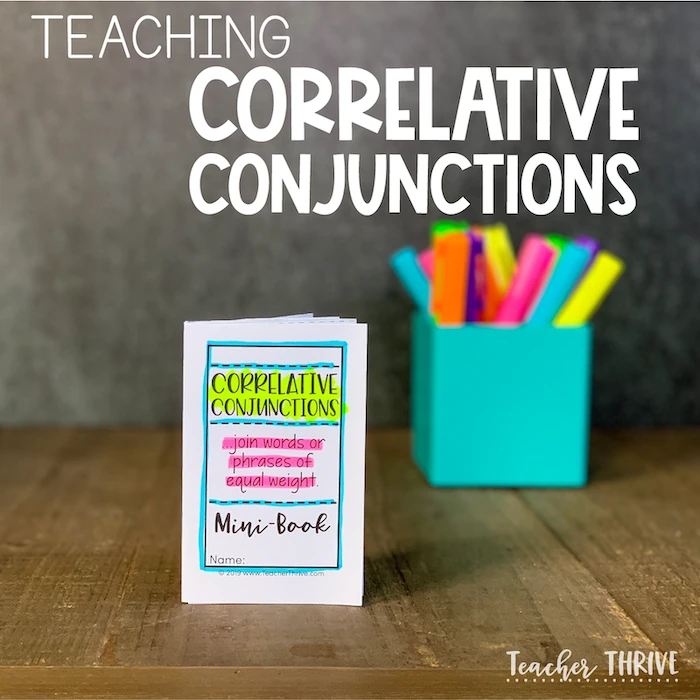
For your students to become more sophisticated writers, teaching correlative conjunctions is a must. Correlative conjunctions will allow your students to vary sentence structures and communicate specific relationships in their writing. Unlike subordinating or coordinating conjunctions, correlative conjunctions work in pairs. There are several correlative conjunctions, but these…
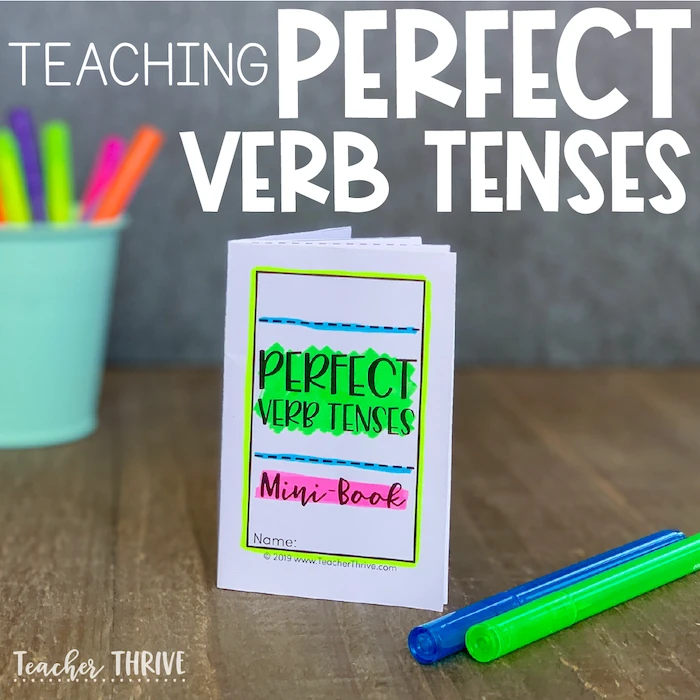
The perfect verb tenses are used to express completed actions that occurred before another point in time or event. Teaching perfect verb tenses can be a little tricky, so it’s important to find a balance between direct instruction and authentic language practice. If you are working with limited English…
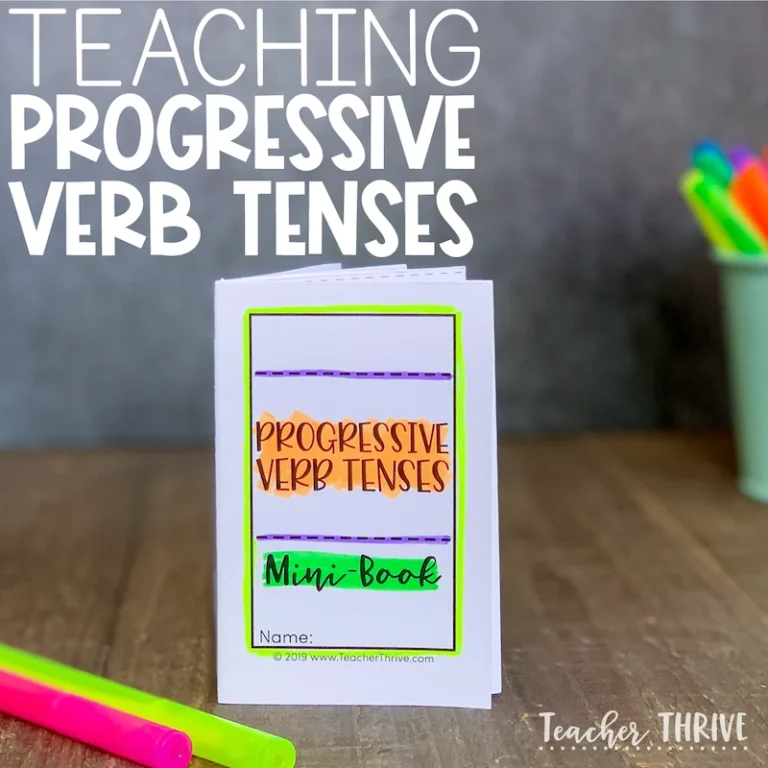
Progressive verb tenses express a continuous or ongoing action. Essentially, the progressive aspect expresses incomplete or ongoing actions at a specific time (past, present, or future). Just as with all grammar topics, teaching progressive verb tenses should be balanced between direct instruction and authentic language practice. If you…
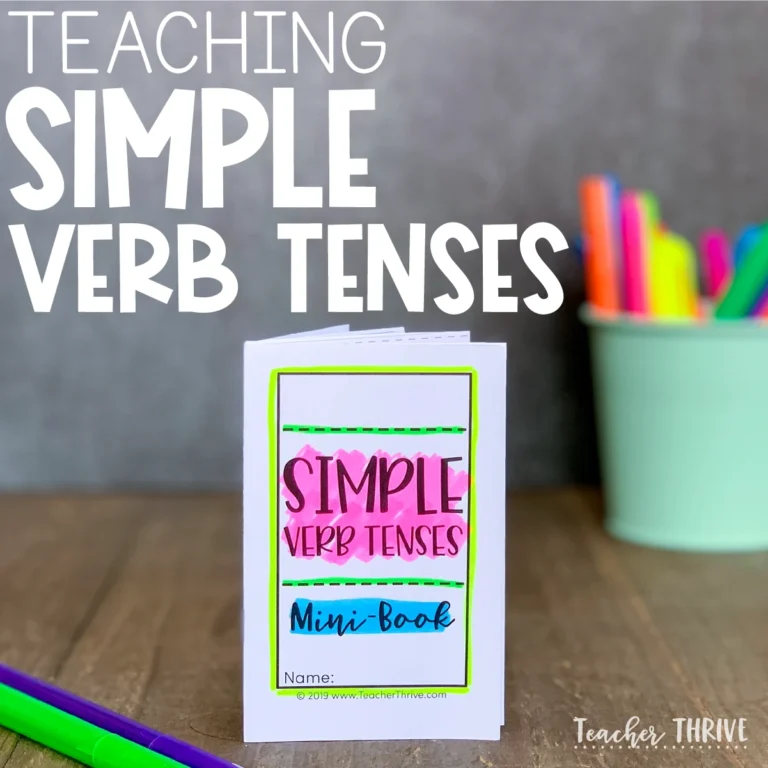
Native English speakers typically master the correct use of simple verb tenses at an early age. However, some students, especially English language learners, will still need direct instruction and support with simple verb tenses. Likewise, native speakers also need a solid understanding of simple verb forms to correctly…