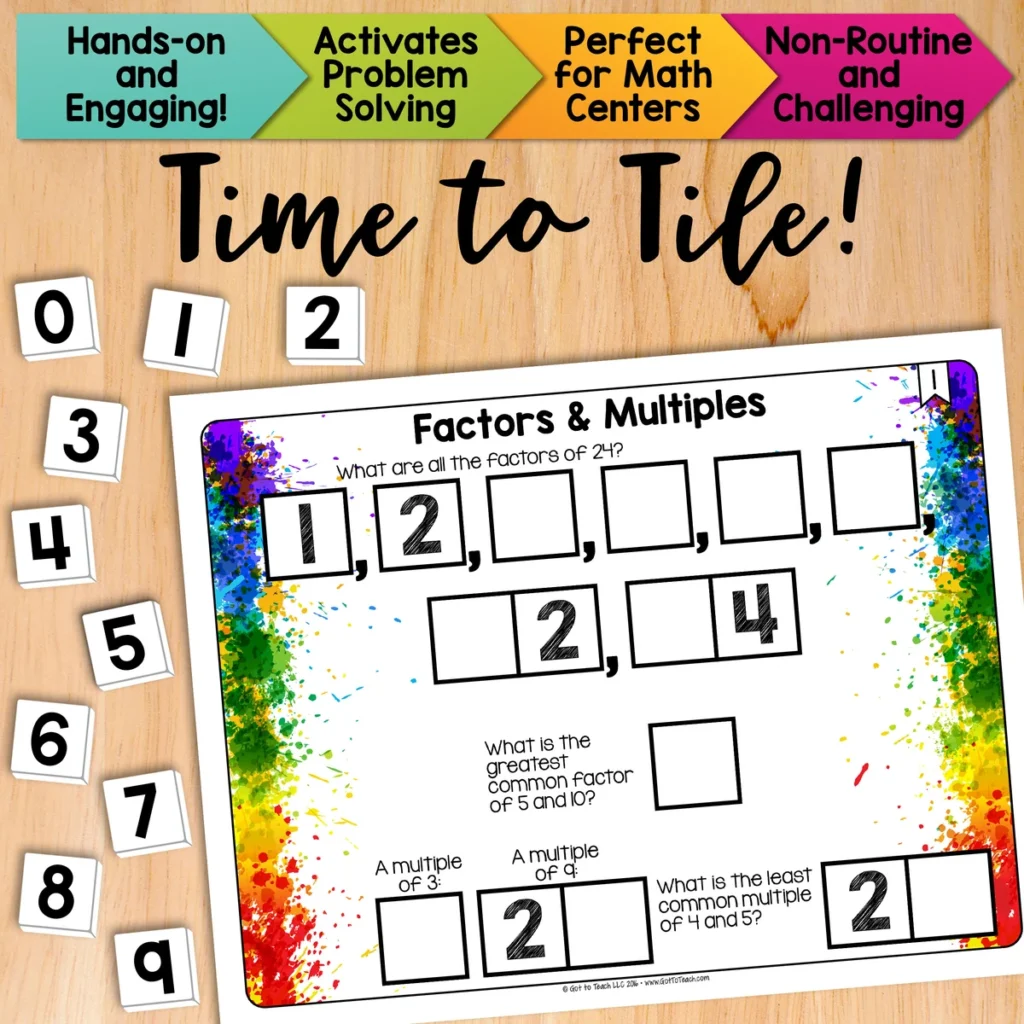
Turn factors and multiples into a puzzle. Students place the digits 0–9 to list factors, find multiples, and work out the greatest common factor or least common multiple…
Teacher Thrive
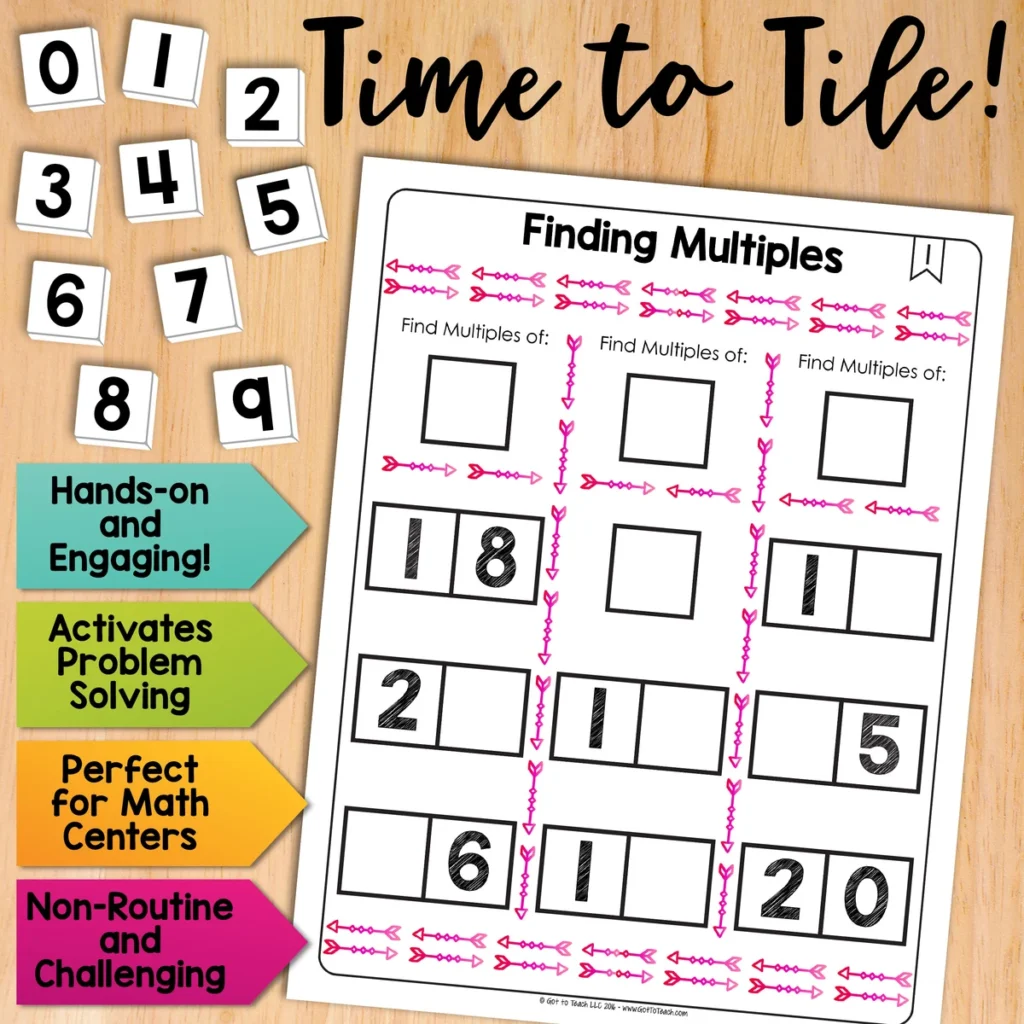
Turn factors and multiples into a puzzle. Students place the digits 0–9 to list factors, find multiples, and work out the greatest common factor or least common multiple…
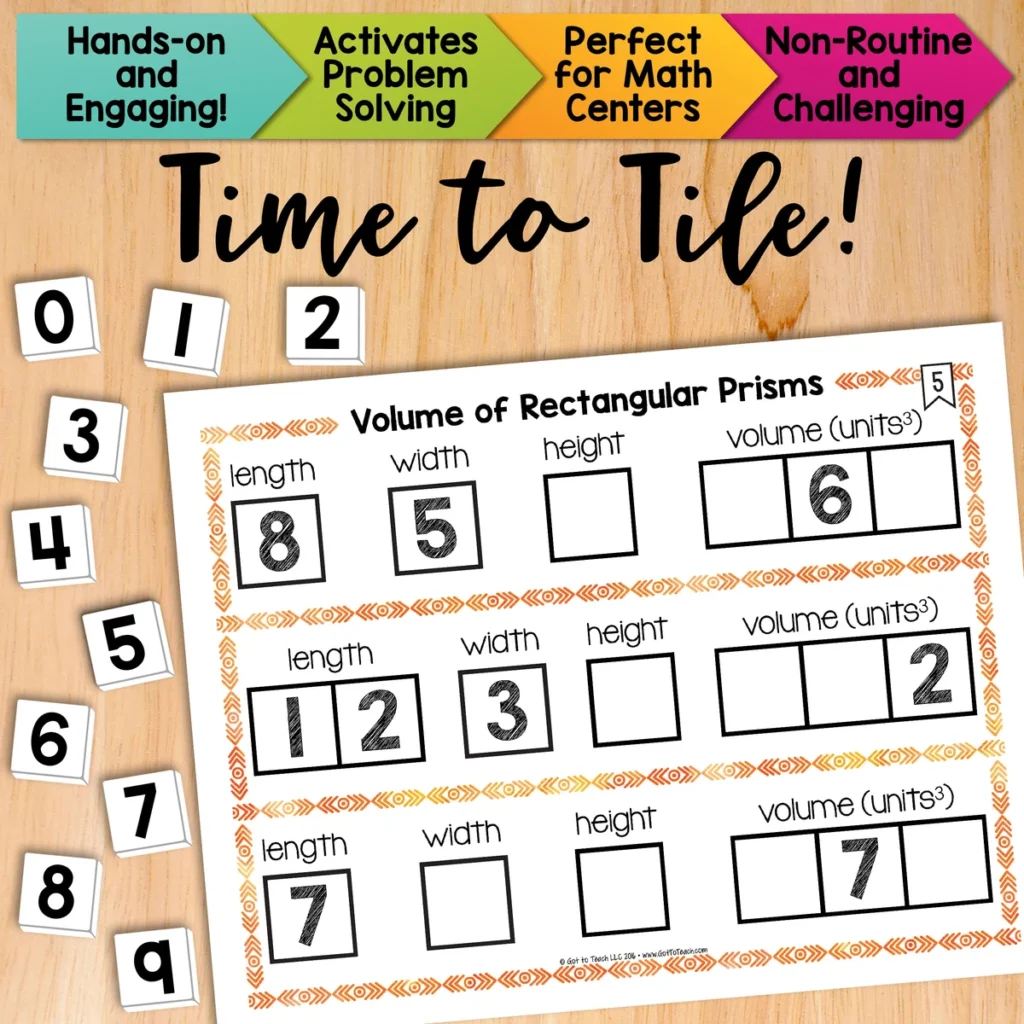
Give students hands-on practice finding the volume of rectangular prisms. Students place the digits 0–9 to fill in missing lengths, widths, heights, or volumes across three prism problems…
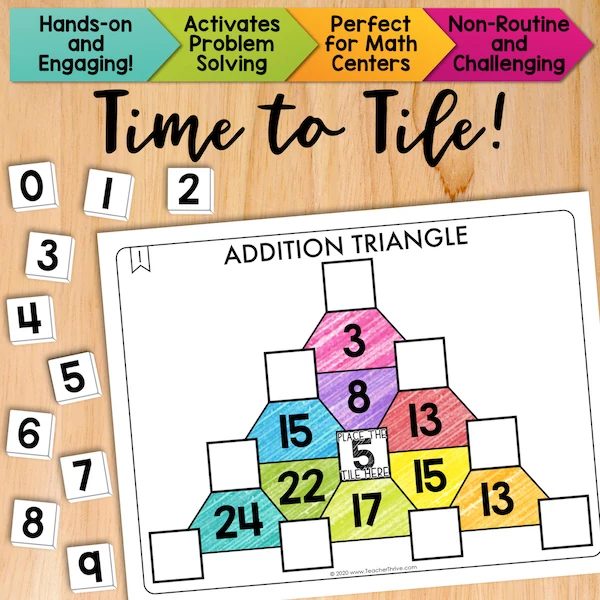
Give students an addition puzzle with nine connected triangles. They place digits 0–9 at the vertices so the three numbers around each triangle add up to the sum…
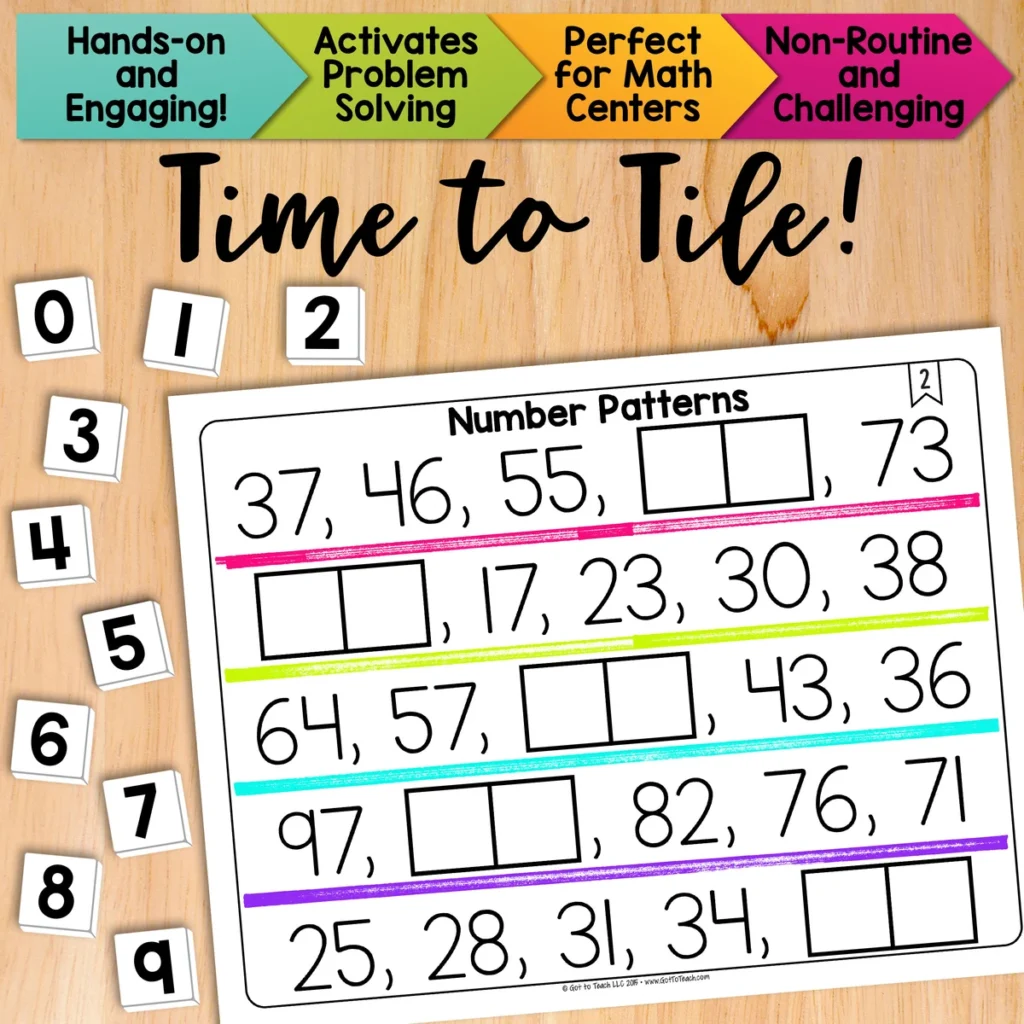
Give students number patterns to investigate, from sequences that add or subtract the same amount to patterns built from multiples or the two previous terms. Students use digits…
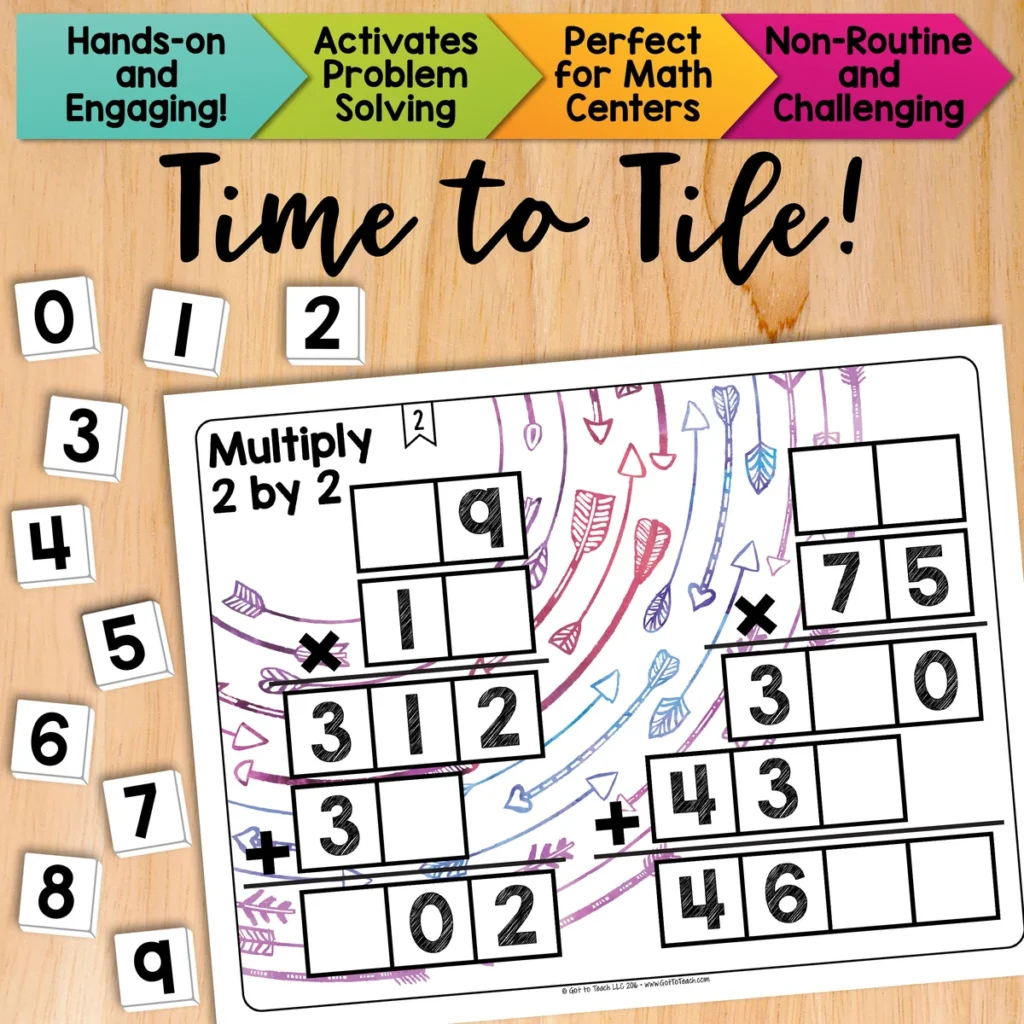
Practice multiplying two two-digit numbers in an engaging, hands-on math center. Students use the digits 0–9 to complete two multiplication problems on each card.
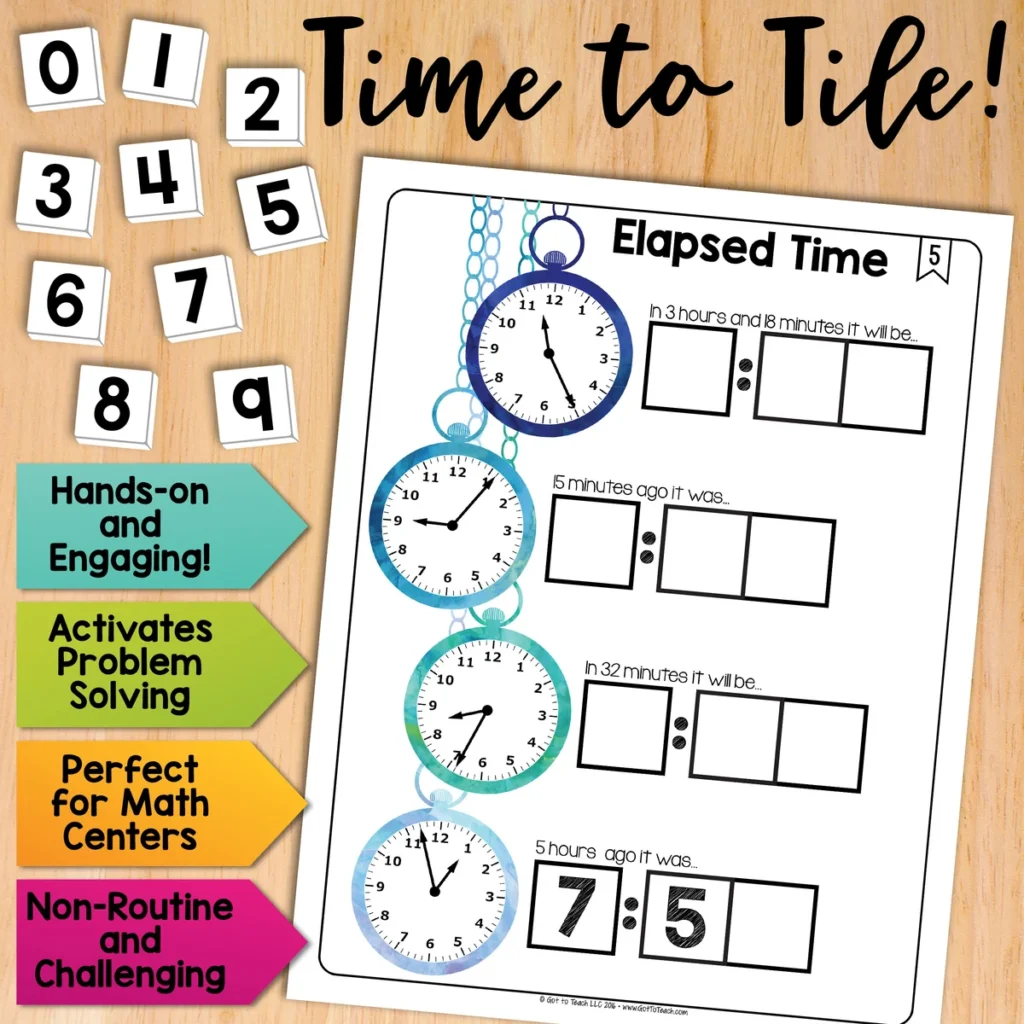
Practice elapsed time by moving forward and backward from the time on an analog clock. Students place the digits 0–9 to show what time it will be or…
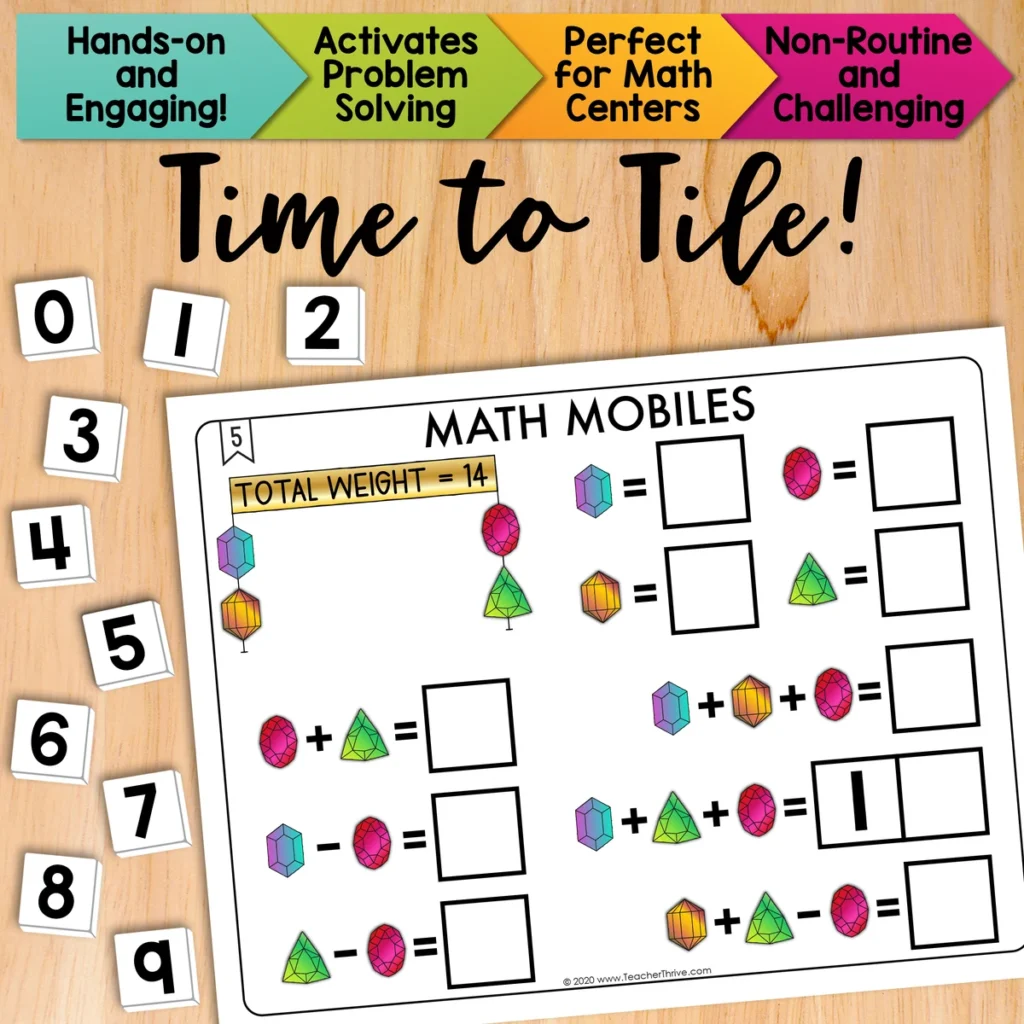
Practice multiplication and reasoning about unknowns with gem mobiles. Students place digits 0–9 in the open spaces and use the weights shown on the mobile to figure out…
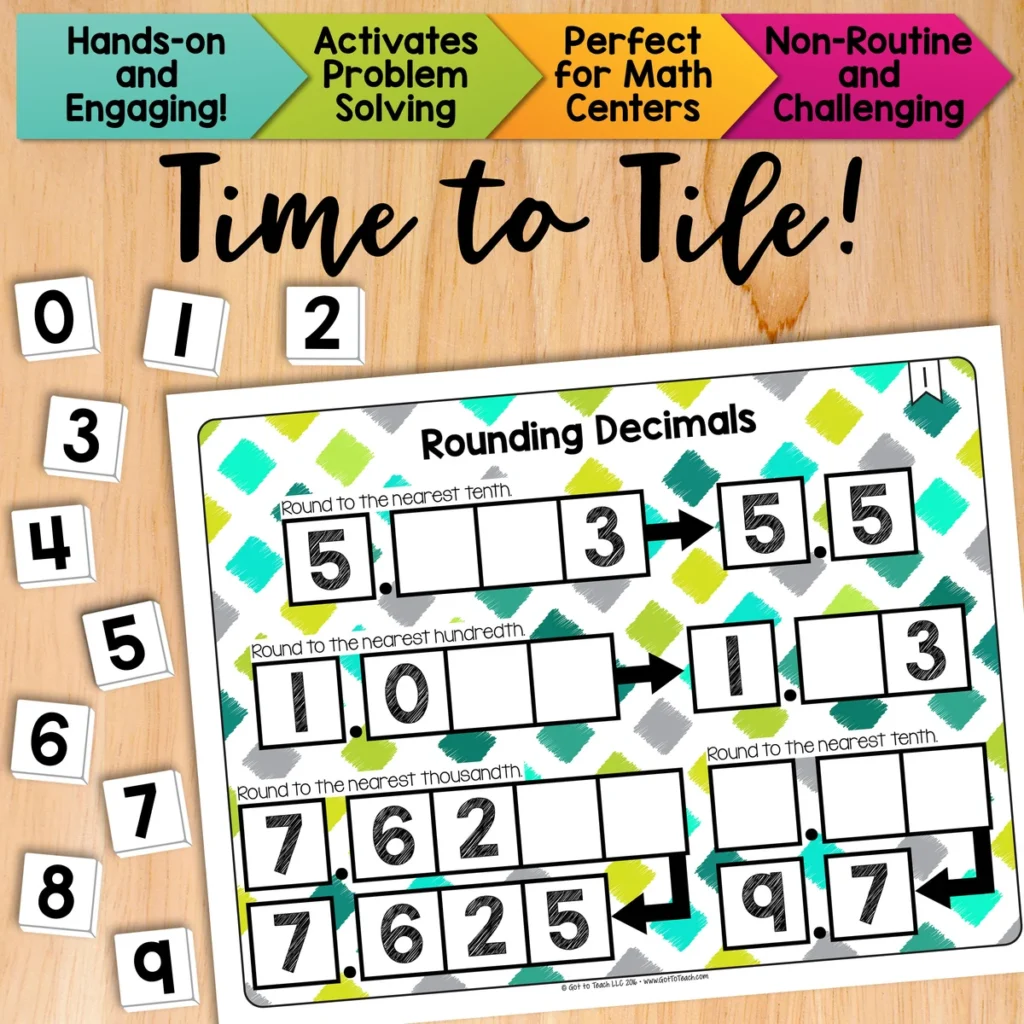
Give students practice rounding decimals to the nearest tenth, hundredth, and thousandth. They place the digits 0–9 in missing spaces to make each rounding statement true.
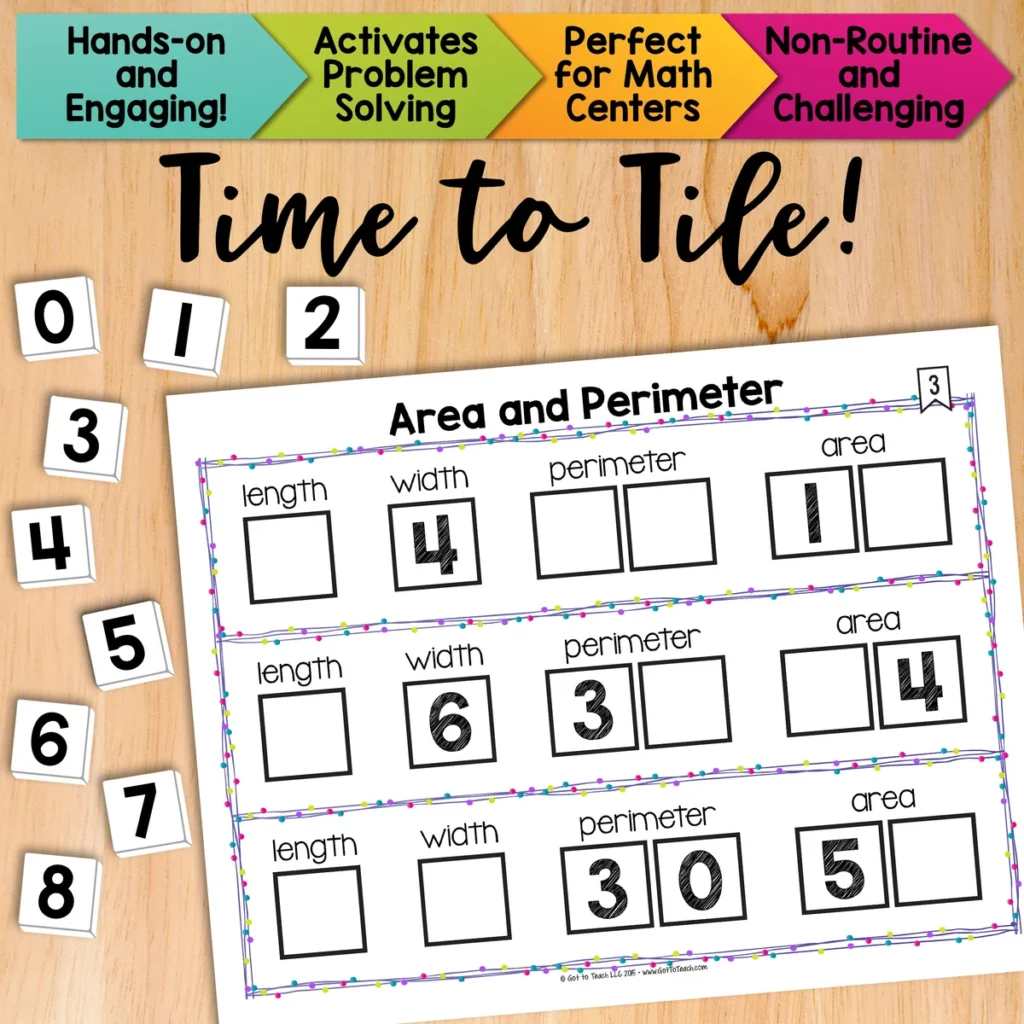
Give students a way to practice area and perimeter together. Students place the digits 0–9 to fill in missing lengths, widths, areas, and perimeters in rectangle puzzles.
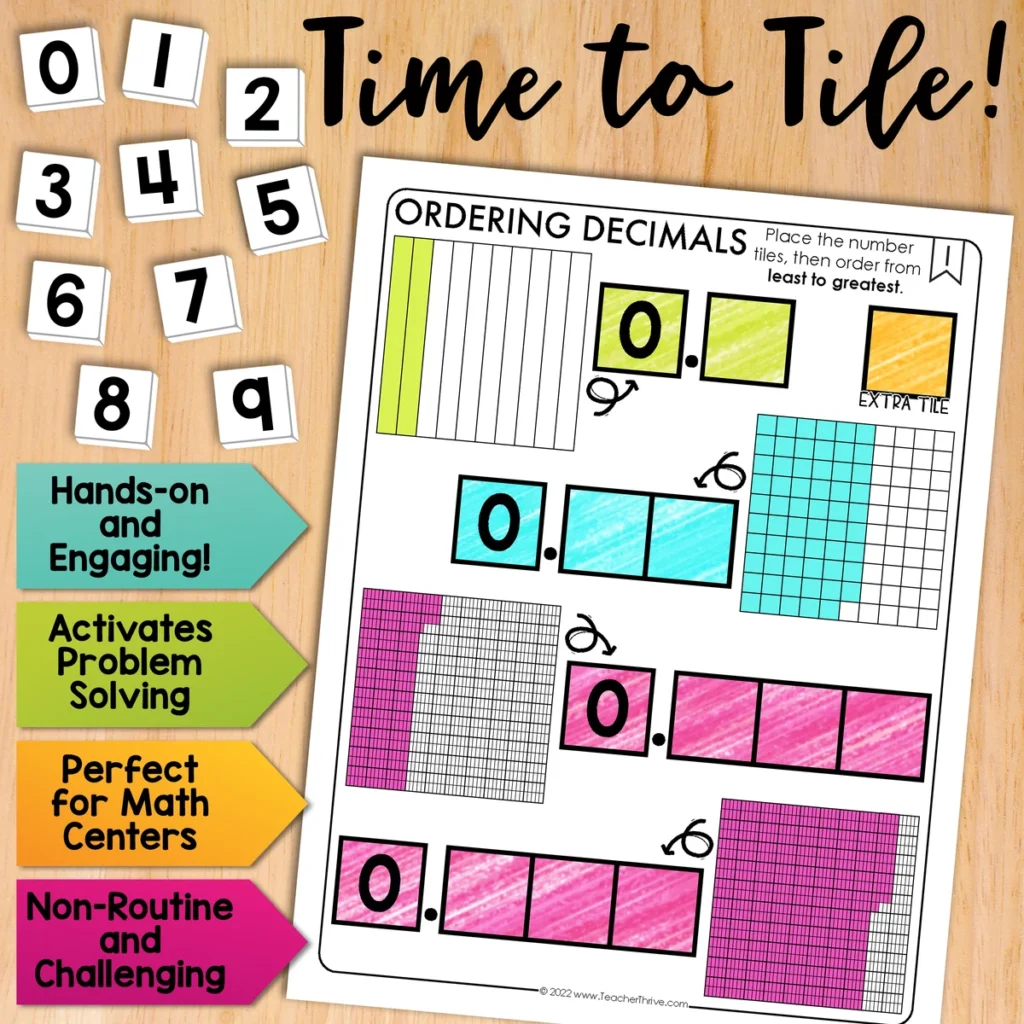
Turn comparing and ordering decimals into a puzzle. Students place the digits 0–9 to complete four decimal numbers from the models on each card, then list the values…
Help students recognize multiples with 0–9 number tile puzzles. The first 15 cards use consecutive multiples, and the next 15 skip some multiples so students have to decide…
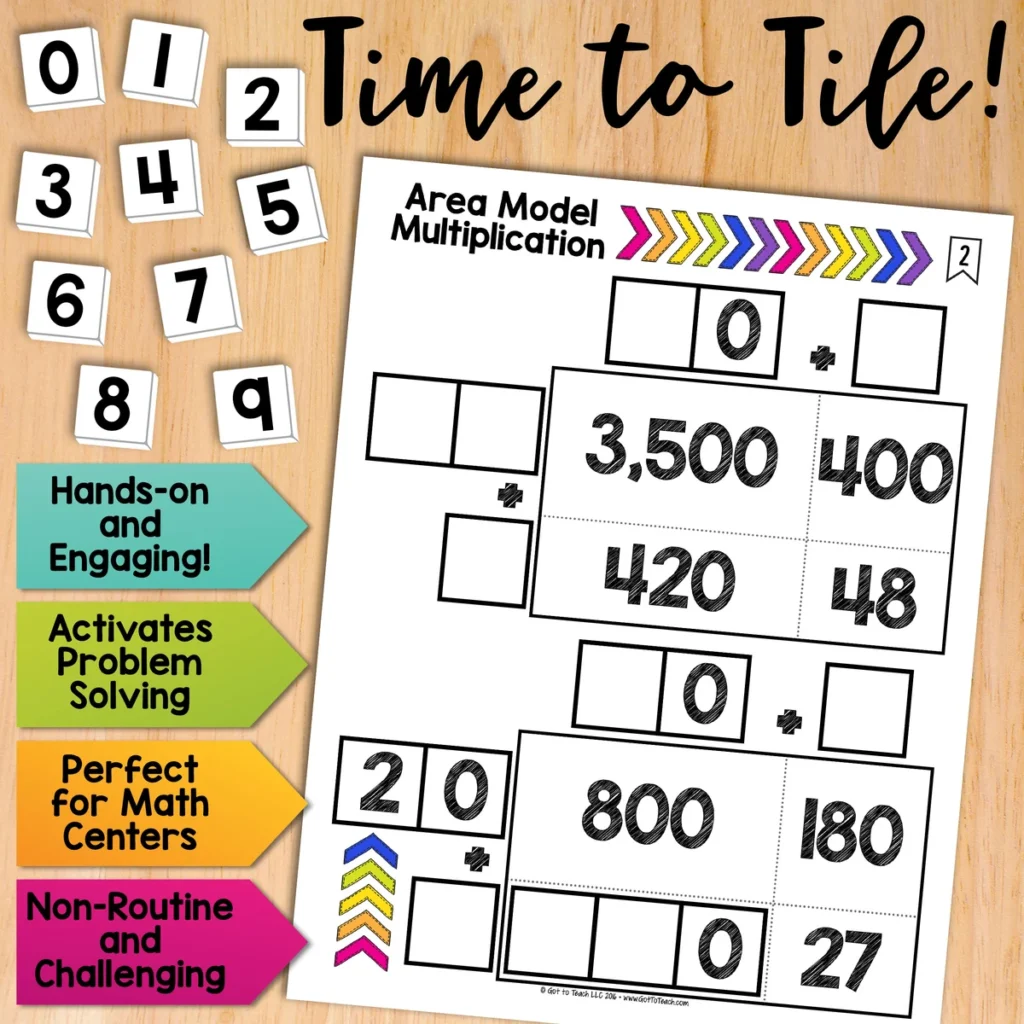
Use area models to make sense of multi-digit multiplication. Students place the digits 0–9 in the missing spaces and use partial products to piece together the completed model.
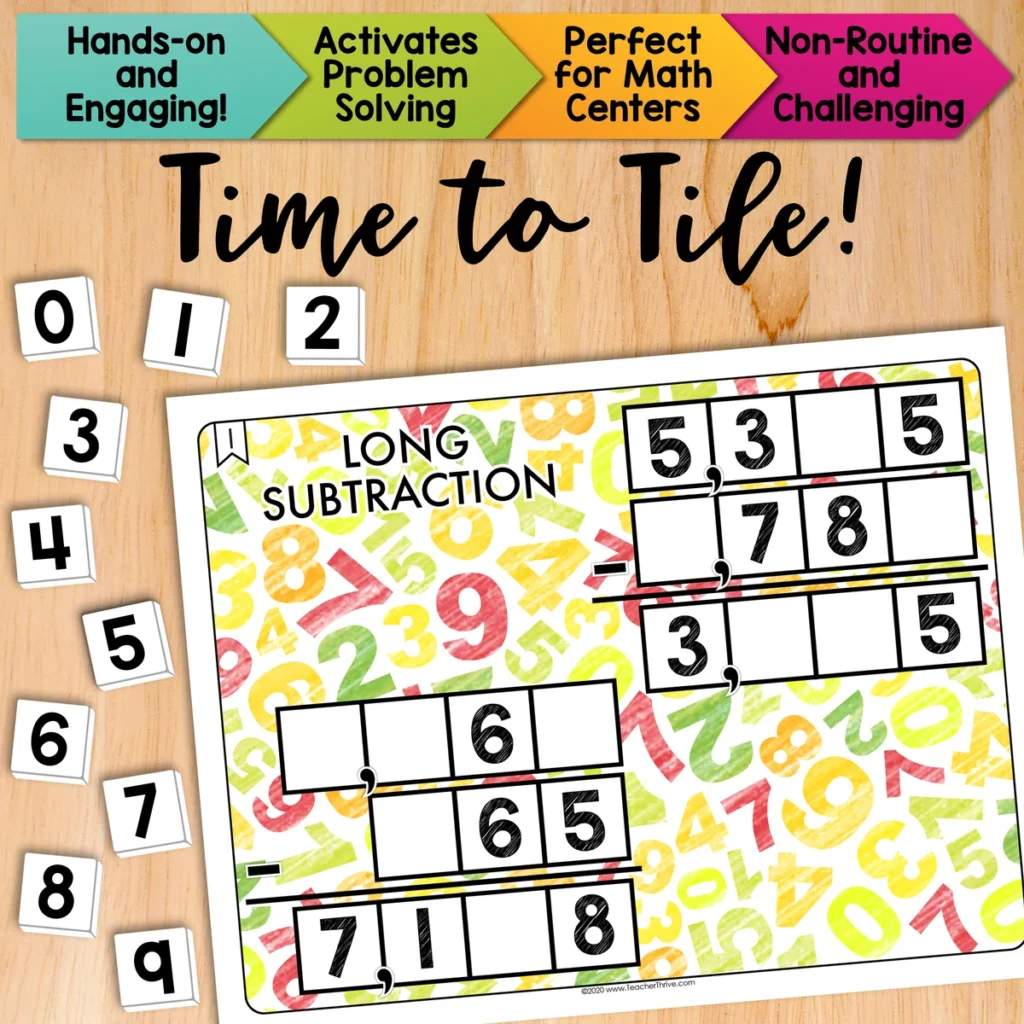
Provide students with an engaging, hands-on math center for practicing three- and four-digit subtraction. They place digits 0–9 in the blanks to complete two subtraction problems written in…
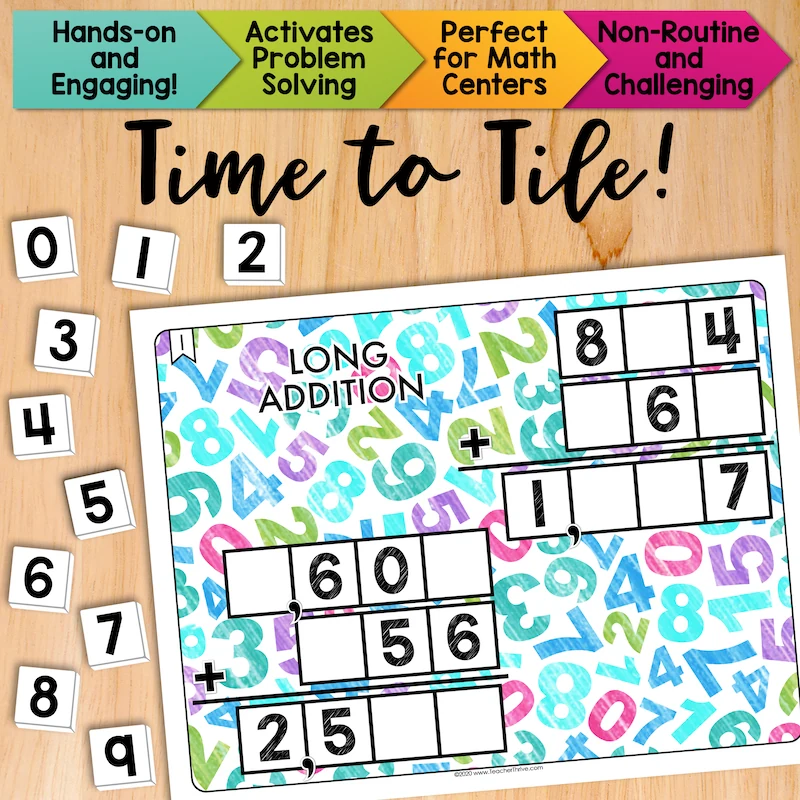
Turn multi-digit addition into a puzzle about place value. Students place digits 0–9 in the missing spaces to complete two addition problems with three- and four-digit numbers written…
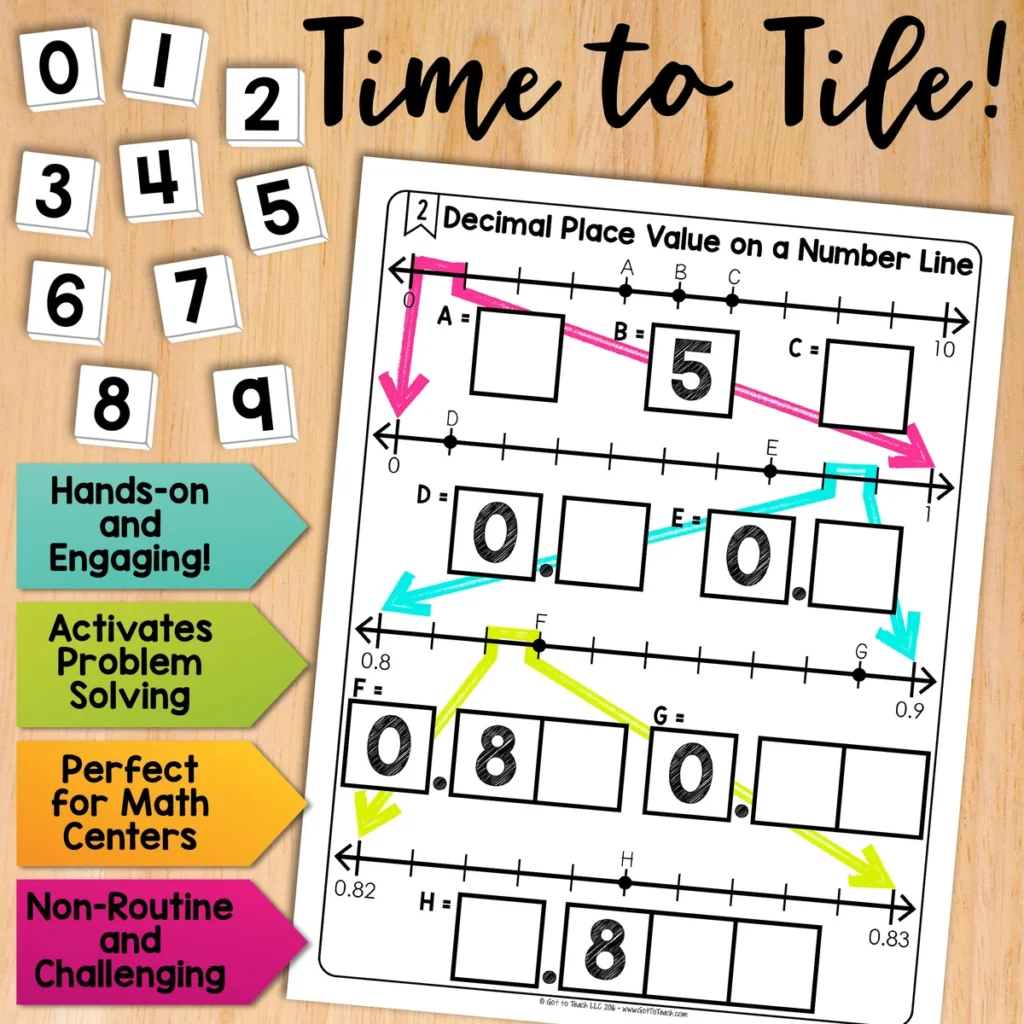
Make decimal place value visible with number lines that zoom in on smaller intervals. Students use the digits 0–9 to label missing values and see how the scale…
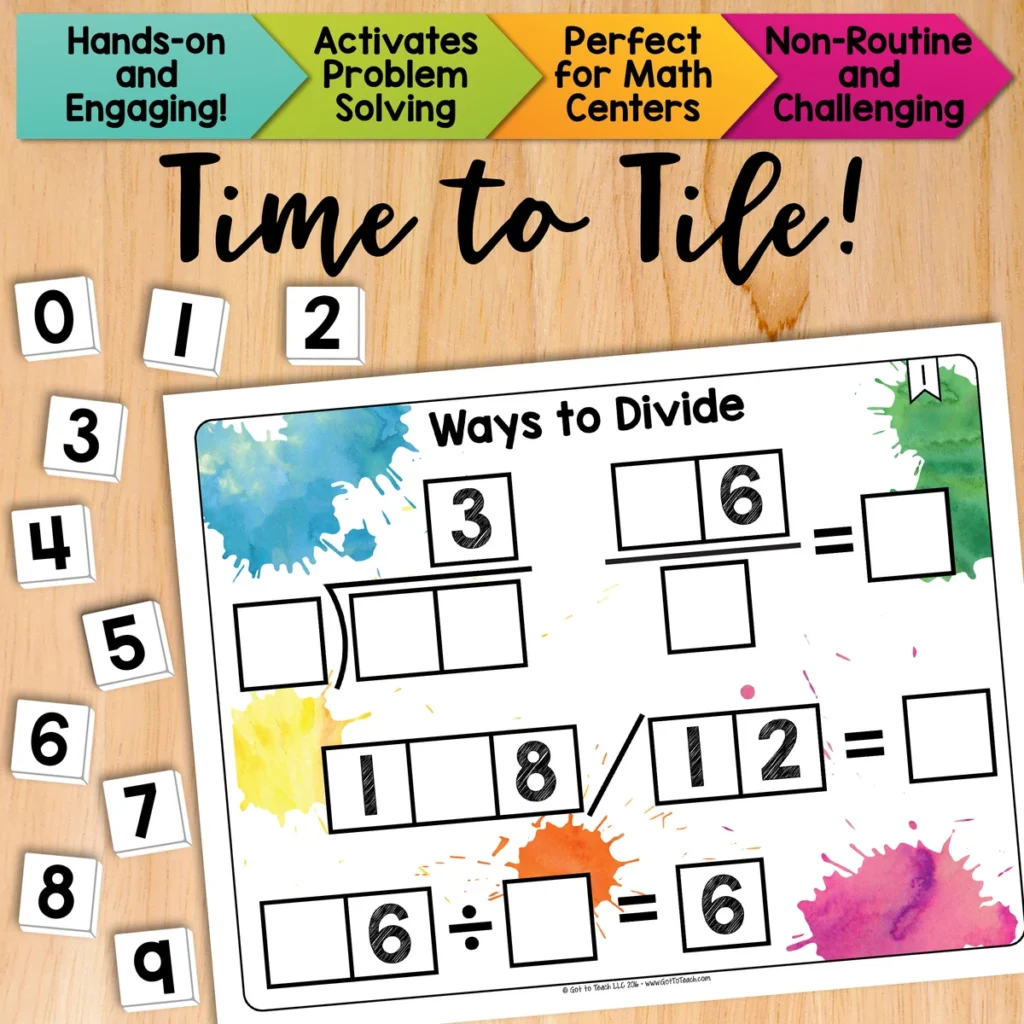
Help students recognize division in four forms. They use digits 0–9 to complete four problems per card using a long-division bracket, a stacked fraction, slash notation, and the…
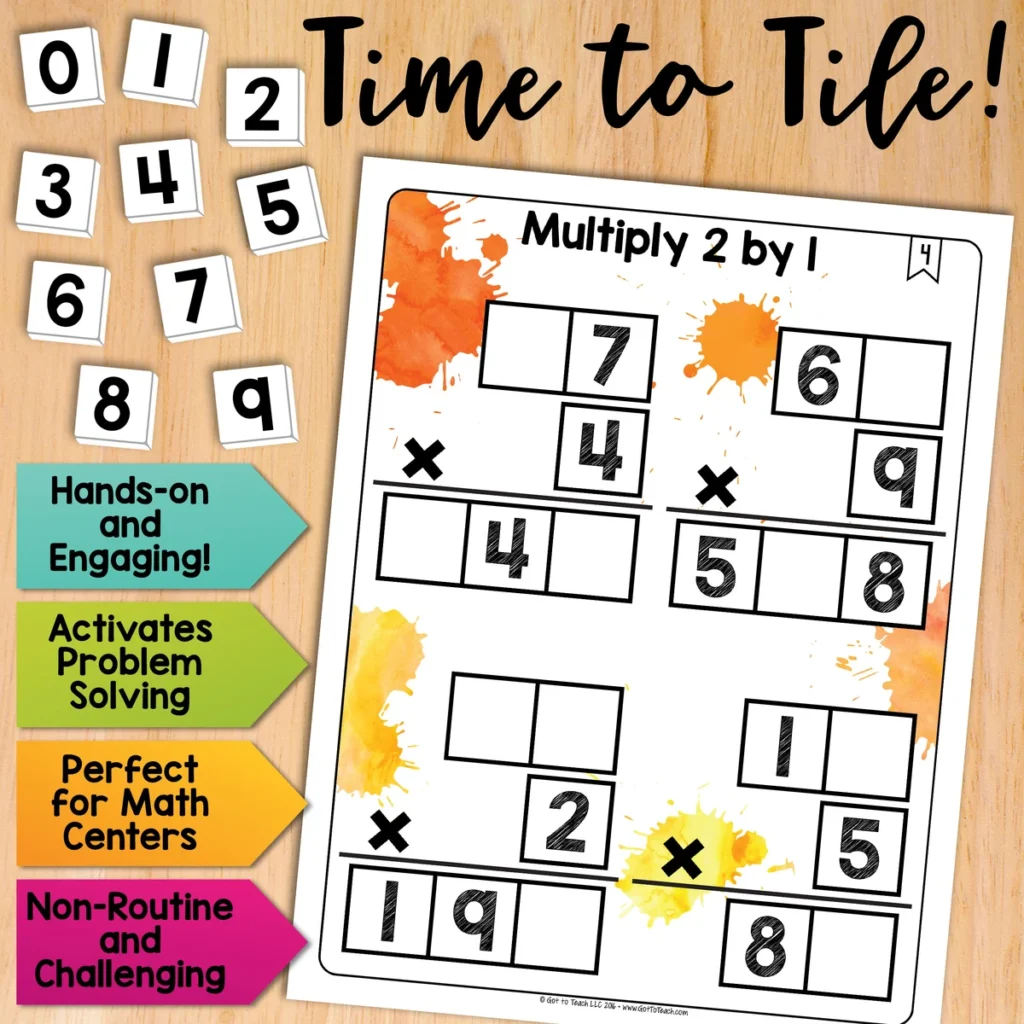
Practice multiplying a two-digit number by a one-digit number. Students place the digits 0–9 to complete four multiplication problems on each card.
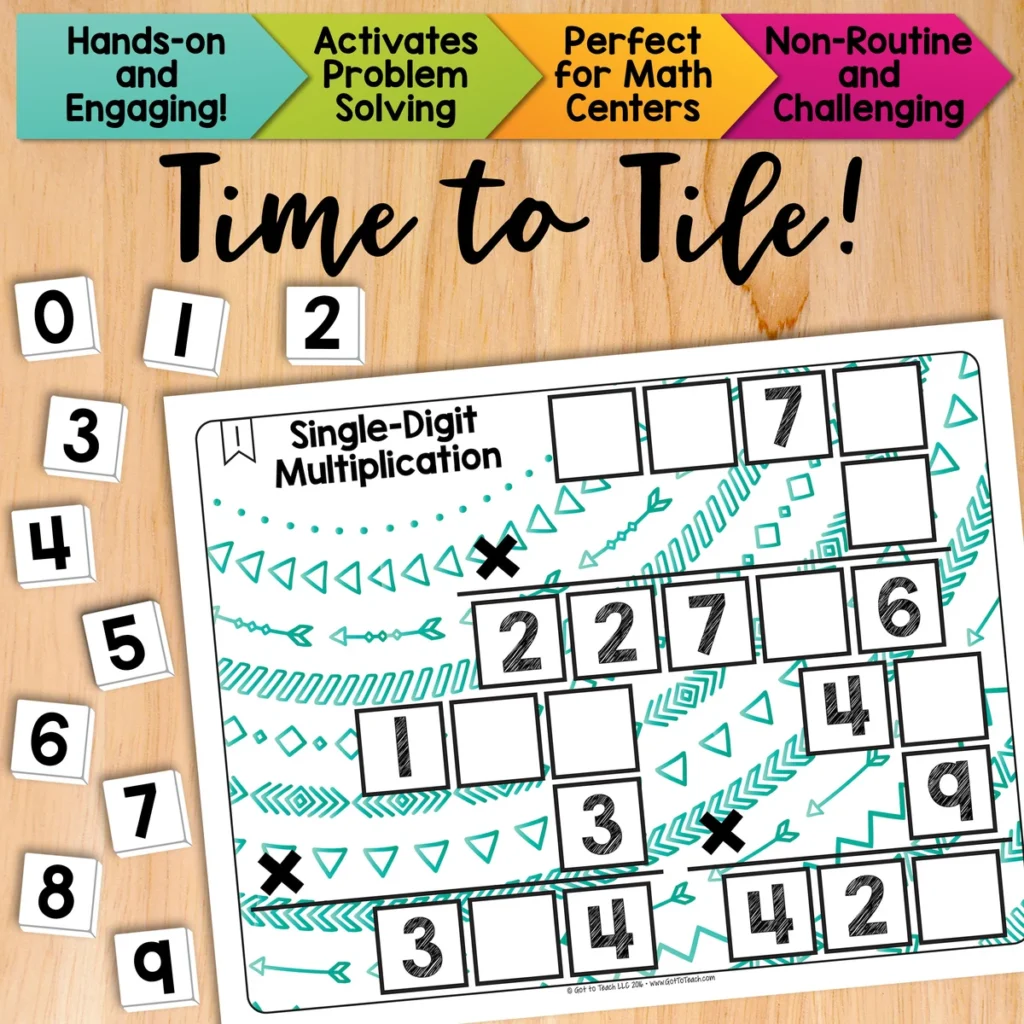
Practice single-digit multiplication by solving for missing digits. Students arrange the digits 0–9 to complete the stacked multiplication problems on each card.
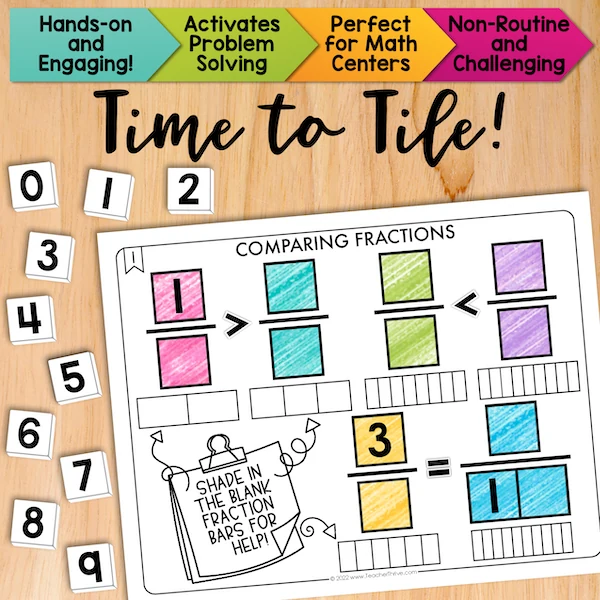
Practice comparing fractions with visual models and number tiles. Students use the digits 0–9 to complete three comparisons on each card, deciding whether the first fraction is greater…
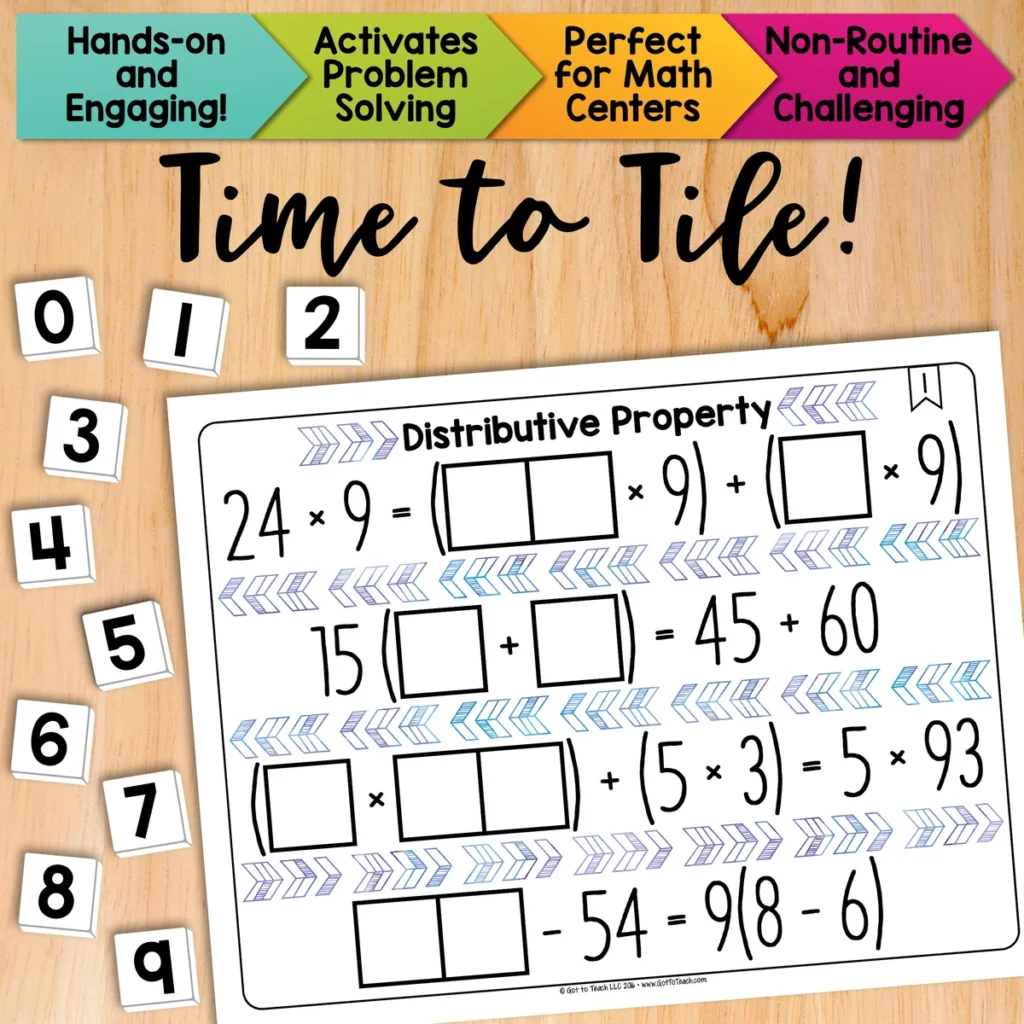
Practice the distributive property by completing equations with missing digits. Students use tiles 0–9 to make both sides of each equation equal and see how breaking apart an…
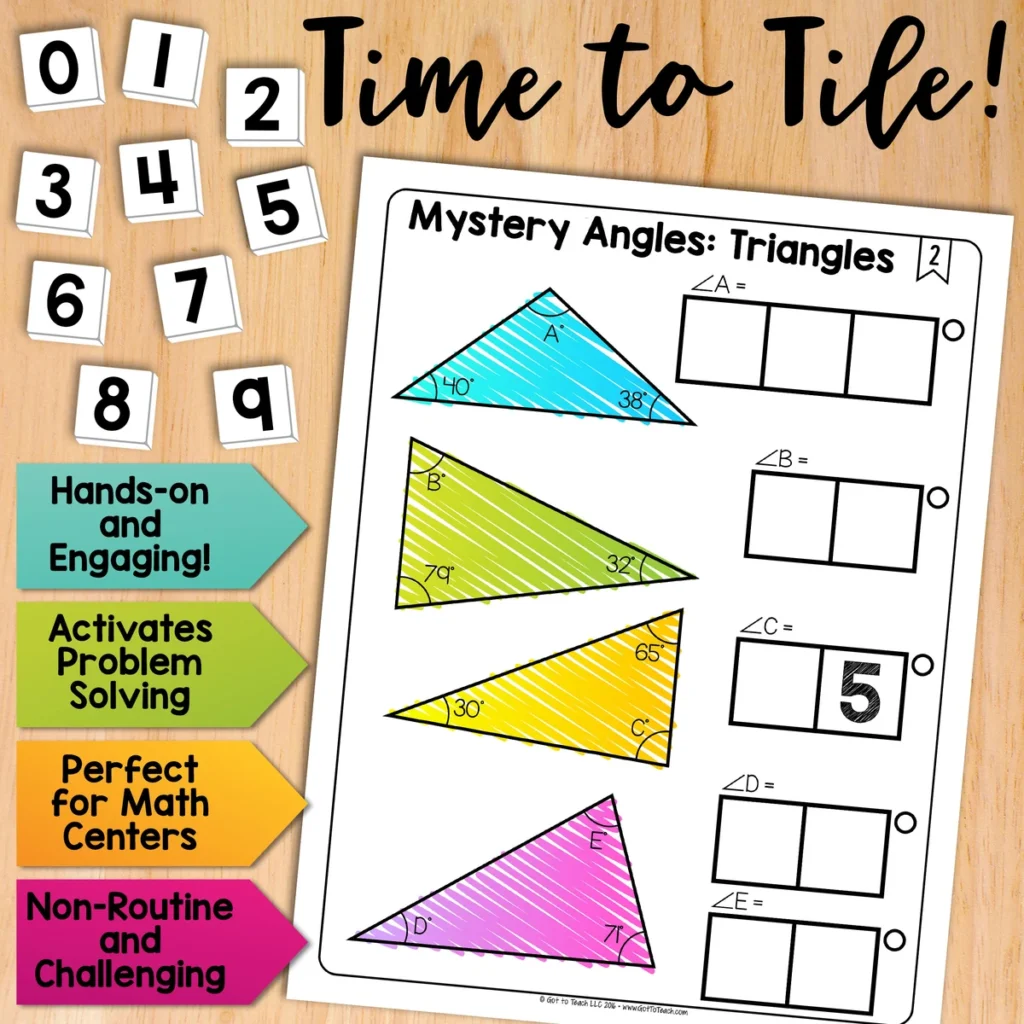
Students use the digits 0–9 to find missing angle measures in four triangles, applying the fact that the angles in each triangle add to 180°.
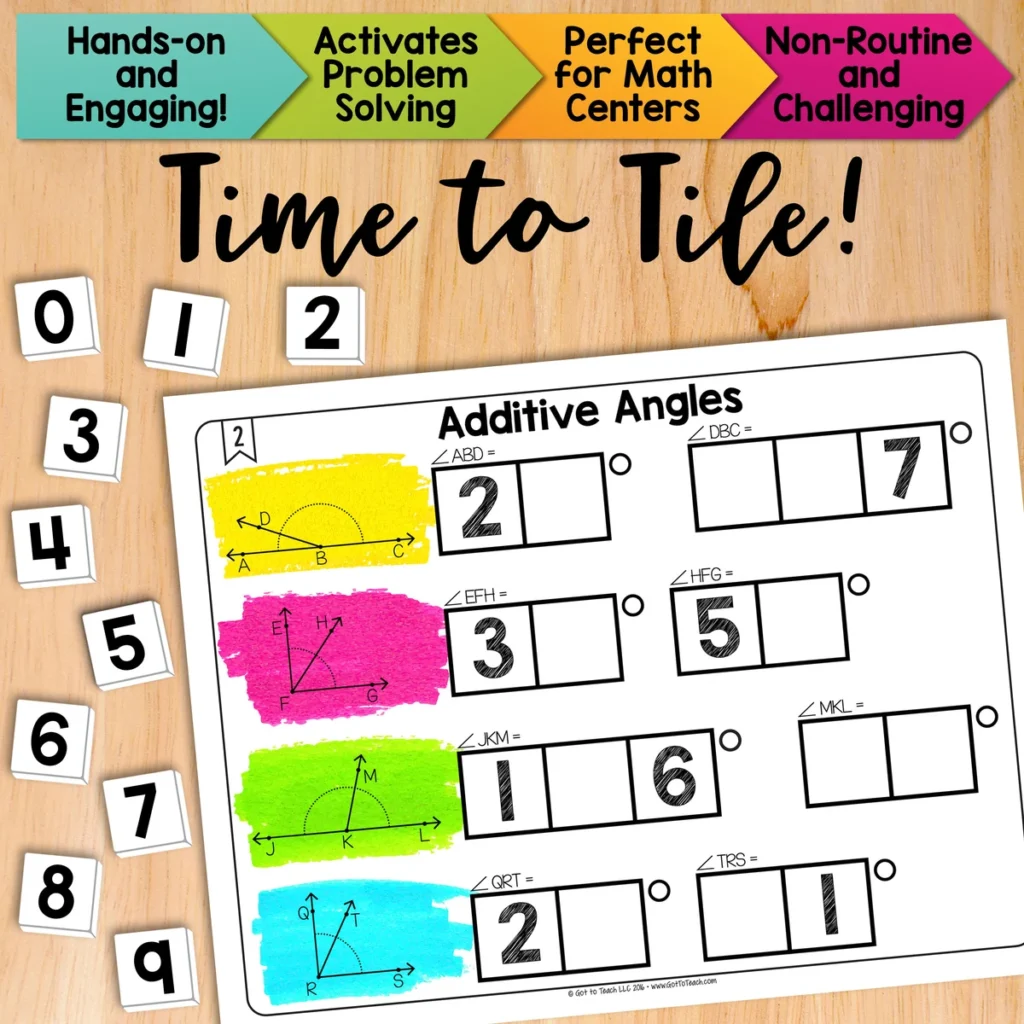
Practice finding missing angle measures with 0–9 number tiles. Students use the total measure of an angle to work out its parts, including angles that add to 90°…
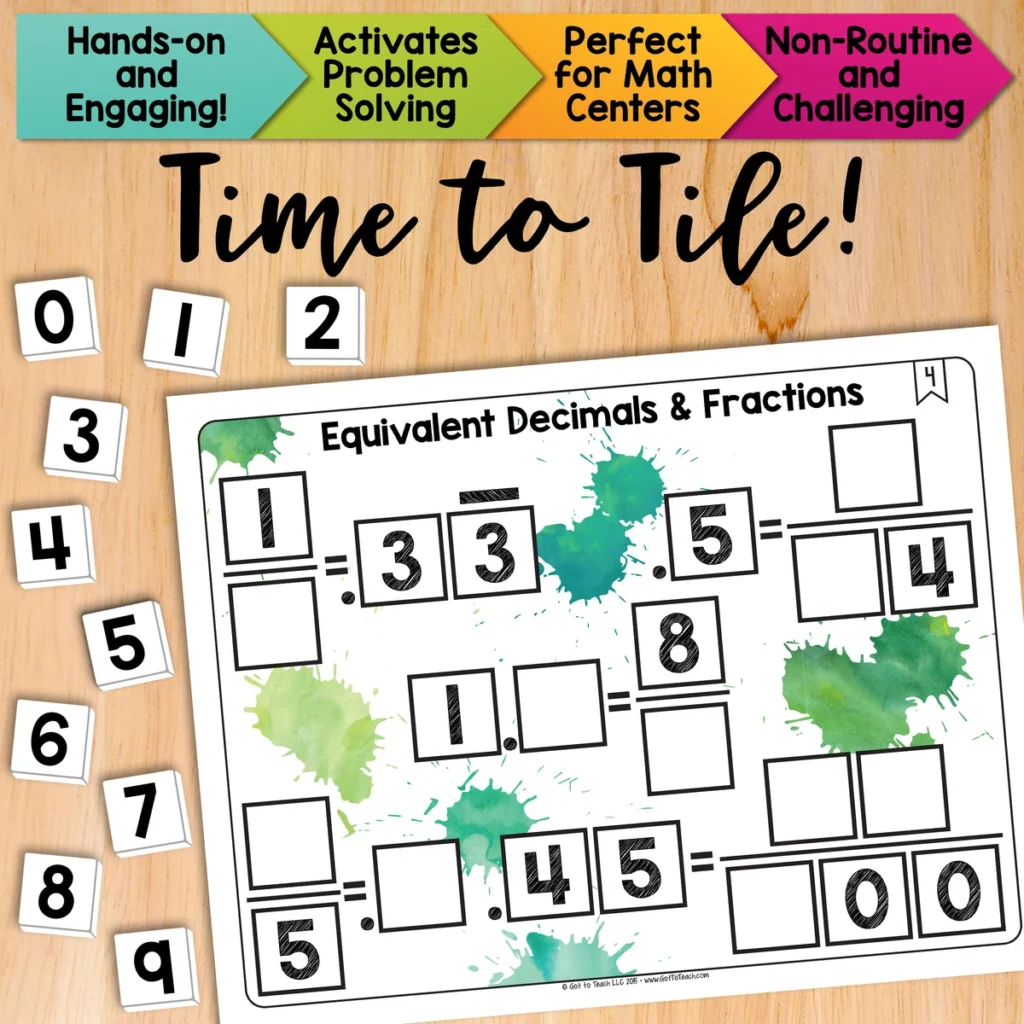
Help students connect fractions and decimals that name the same amount. They place the digits 0–9 to complete pairs of equivalent fractions and decimals, using the known values…
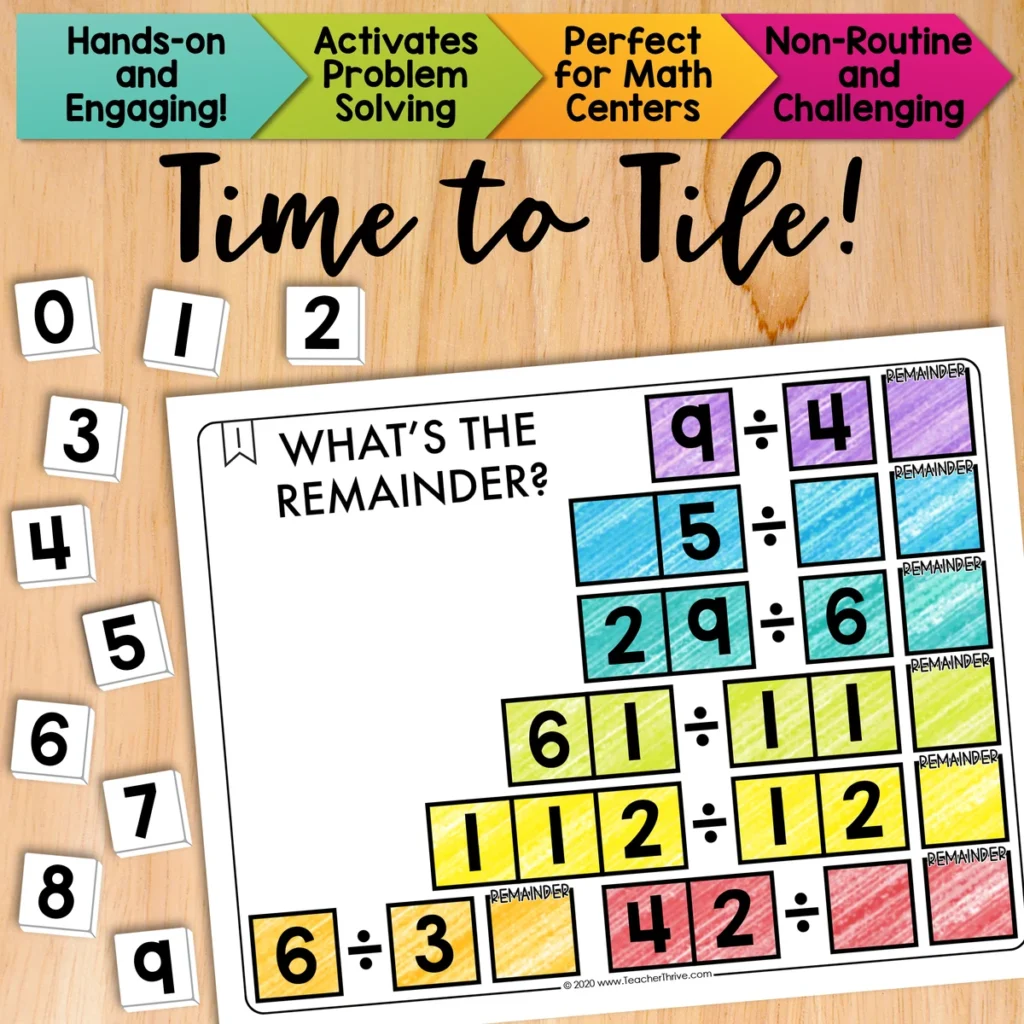
Give students focused practice finding remainders. They use digits 0–9 to complete seven division problems per card and determine what is left over.